






What's Happening?
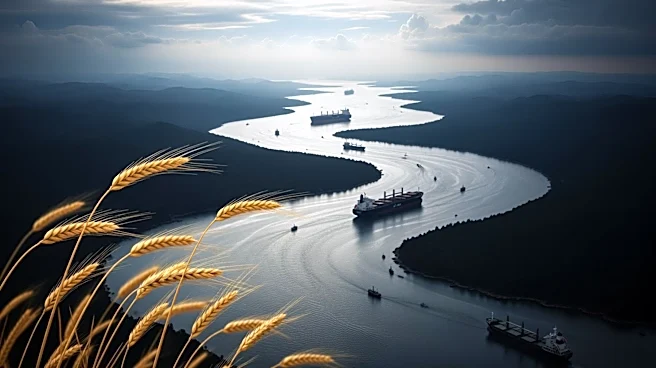
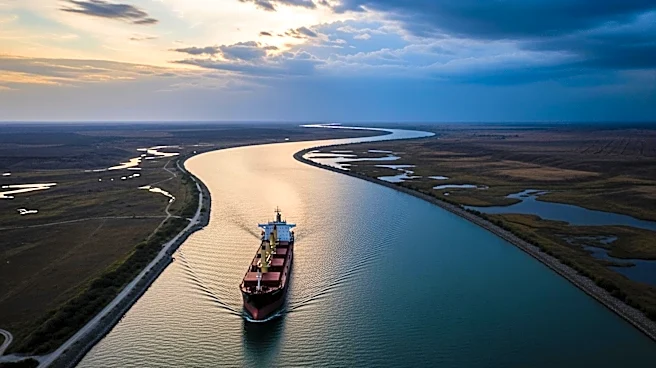
The Food and Agriculture Organization (FAO) has issued a warning about a potential global food catastrophe if the disruption in the Strait of Hormuz continues. The strait is a critical passage for agricultural inputs, including fertilizers, which are
essential for global food production. The ongoing US-Israel conflict with Iran has led to a near-total halt of traffic through the strait, affecting the export of key agrifood inputs. Although current food prices have not yet risen significantly due to existing stockpiles, the FAO warns that prolonged disruption could lead to higher commodity and retail prices later this year and into 2027. The situation is particularly dire for poorer countries, which are more vulnerable to delays in agricultural inputs.
Why It's Important?
The Strait of Hormuz is a vital artery for global trade, especially for agricultural inputs like fertilizers. A prolonged disruption could lead to a significant increase in food prices, affecting global food security. The potential rise in commodity prices could trigger inflation and slow down global economic growth. Poorer nations, which rely heavily on timely access to agricultural inputs, are at risk of facing severe food shortages. The situation underscores the importance of maintaining open trade routes and the potential consequences of geopolitical conflicts on global food systems.
What's Next?
Efforts to negotiate a ceasefire and reopen the Strait of Hormuz are ongoing, but progress has been slow. The FAO emphasizes the need for immediate action to prevent a full-blown food crisis. If the strait remains closed, countries may need to find alternative routes for transporting agricultural inputs, which could be costly and time-consuming. The international community may need to increase diplomatic efforts to resolve the conflict and ensure the free flow of goods through the strait. Monitoring and contingency planning will be crucial to mitigate the impact on global food security.