






What's Happening?
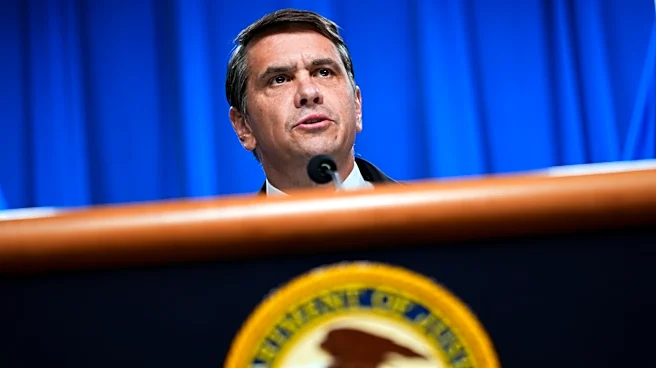
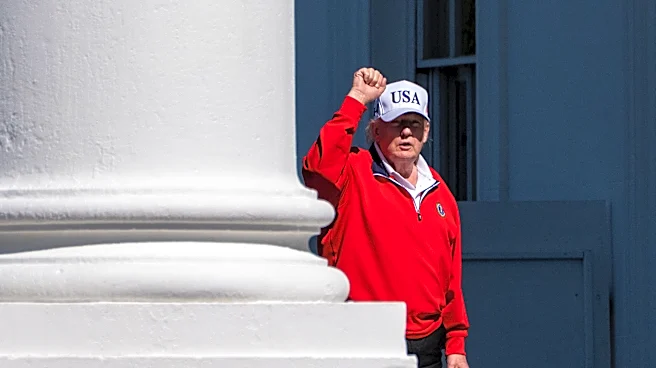
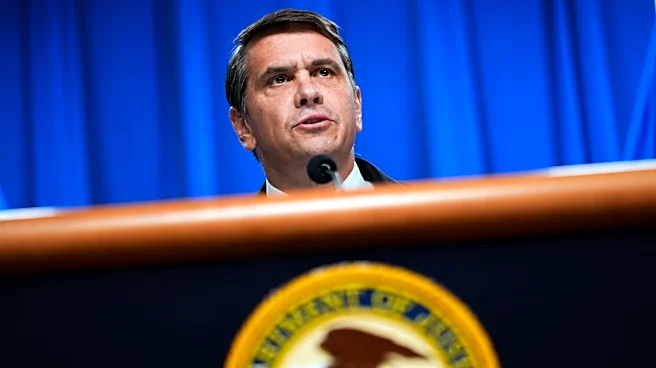
The federal government has decided to abandon the creation of a $1.8 billion fund intended to compensate allies of President Trump, as announced by Acting Attorney General Todd Blanche. Despite this, an agreement remains in place that prevents the Internal
Revenue Service (IRS) from auditing President Trump, his family, and related entities. This decision was revealed during a House appropriations committee hearing, where Blanche emphasized that while the fund will not proceed, the reasons for its initial proposal remain significant. The fund faced opposition from both Democrats and Republicans due to concerns over its lack of restrictions and potential constitutional issues, such as violating the emoluments clause. Legal challenges have also arisen, with a federal judge in Virginia blocking any action on the fund and another in Florida reopening the case to investigate potential wrongdoing.
Why It's Important?
The scrapping of the fund and the continuation of audit immunity for President Trump and his family have significant implications for U.S. politics and the justice system. The decision to maintain audit immunity raises questions about fairness and transparency in tax enforcement, as former IRS officials have noted the rarity of such agreements. The controversy surrounding the fund and audit immunity highlights ongoing tensions between different branches of government and the potential for legal and constitutional challenges. This development could influence public trust in government accountability and the perception of equal treatment under the law, impacting political discourse and future policy decisions.
What's Next?
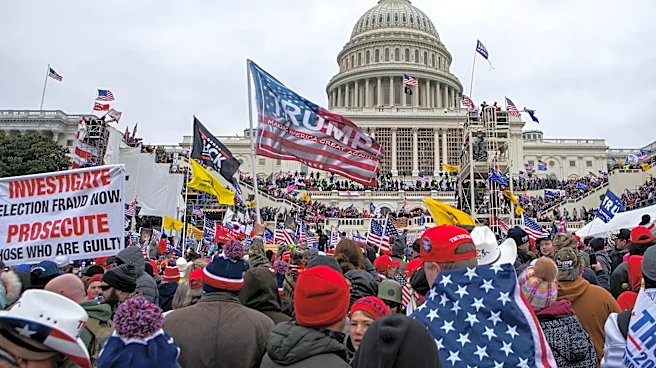
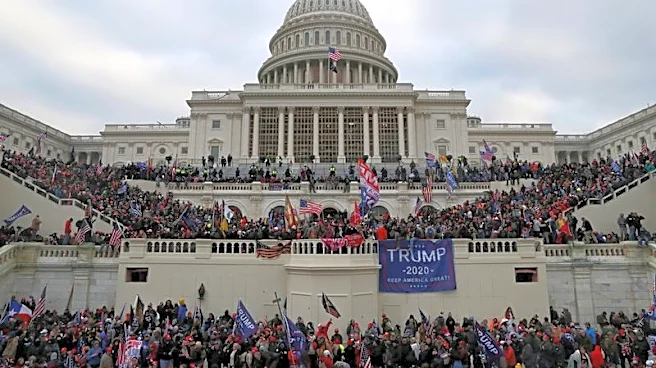
While the fund has been scrapped, individual victims may still seek compensation through administrative claims against the government. The Justice Department has discretion in settling these cases, which could allow January 6 defendants and others to pursue compensation. Legal proceedings related to the fund and audit immunity are ongoing, with federal judges reviewing the cases for potential wrongdoing. The outcome of these legal challenges could set precedents for future government actions and influence the handling of similar cases. Political leaders and civil society groups may respond to these developments, potentially leading to legislative or policy changes.