




What's Happening?
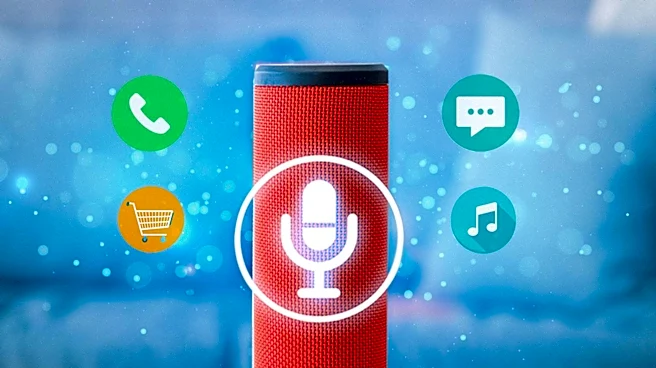
Smart speakers, such as Amazon Echo, Google Nest, and Apple HomePod, are experiencing common technical issues that disrupt their functionality as voice-controlled hubs in smart homes. Users frequently encounter problems with wake word recognition, Wi-Fi
connection drops, and poor audio quality. Microphone sensitivity settings, background noise, and speaker placement near other audio sources often contribute to wake word recognition failures. Wi-Fi connectivity issues are typically linked to network congestion or the speaker being at the edge of router range, as these devices require stable connections for continuous wake word detection. Additionally, multi-room audio systems can suffer from synchronization problems due to network latency, especially with mesh Wi-Fi systems. Smart home device discovery failures occur when devices use different accounts, are on incompatible Wi-Fi bands, or require unenabled skills. Bluetooth pairing issues often arise because most speakers support only one Bluetooth connection at a time.
Why It's Important?
The prevalence of these technical issues can significantly impact user satisfaction and the overall adoption of smart home technology. When smart speakers fail to perform reliably, the convenience they promise is undermined, leading to user frustration and potentially hindering the growth of the smart home market. For manufacturers like Amazon, Google, and Apple, addressing these common faults is crucial for maintaining brand reputation and customer loyalty. Persistent problems can result in increased customer support costs and negative reviews, affecting sales and market share. Furthermore, the reliability of smart speakers is foundational to the broader smart home ecosystem; if the central control unit is unreliable, the utility of connected devices diminishes. This situation underscores the need for robust network infrastructure, improved device compatibility, and more intuitive troubleshooting solutions to ensure a seamless smart home experience for consumers.
What's Next?
Manufacturers of smart speakers are expected to continue investing in research and development to mitigate these common technical issues. This will likely involve software updates to improve wake word recognition algorithms, enhance Wi-Fi connectivity stability, and optimize audio processing. Hardware improvements, such as more advanced microphones and Wi-Fi modules, may also be introduced in future generations of devices. Companies might also focus on developing more user-friendly diagnostic tools and clearer troubleshooting guides to empower users to resolve minor issues independently. Additionally, there will likely be an emphasis on improving interoperability standards, such as Matter, to ensure seamless integration across different brands and device types, reducing discovery and compatibility problems. The industry may also explore advanced AI solutions to proactively identify and resolve connectivity or performance issues before they impact the user experience, aiming for a more resilient and self-optimizing smart home environment.
Beyond the Headlines
The persistent technical challenges faced by smart speakers highlight a broader tension between technological innovation and user experience in the rapidly evolving smart home sector. While the promise of a fully automated and voice-controlled home is compelling, the reality often involves complex setups and troubleshooting. This situation raises questions about the digital literacy required for modern home management and the potential for a 'digital divide' where those less tech-savvy struggle to utilize these advanced features. Moreover, the reliance on stable internet connections for basic functionality underscores the vulnerability of smart homes to network outages or cyber threats. The industry's response to these issues will shape consumer expectations for future smart home devices, influencing design philosophies that prioritize reliability and ease of use over cutting-edge but potentially unstable features. This ongoing struggle to perfect the smart speaker experience reflects the broader challenges of integrating complex technologies seamlessly into everyday life.