







What's Happening?
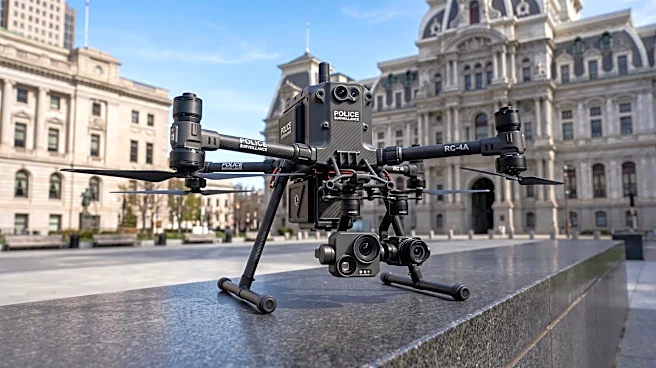
Public opposition is mounting across California against the rapid expansion of police drone programs, transforming local policy hearings into intense debates over surveillance and privacy. Driven by landmark privacy litigation and a 2021 state law requiring
explicit local board approvals for 'military equipment,' law enforcement agencies are seeking to broaden drone use beyond emergency response to include everyday patrols. Residents and privacy advocates, however, express concerns about warrantless searches, excessive data retention, and the influence of drone manufacturers. Tensions were evident at a recent San Francisco Police Commission meeting, where the department sought approval for wider drone use, including 'community outreach,' but faced strong pushback from citizens demanding warrant mandates and questioning the acceptance of private donations for surveillance technology.
Why It's Important?
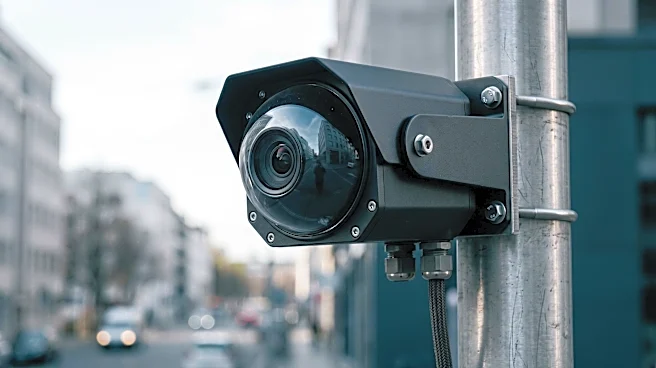
The escalating conflict over police drone use in California highlights a critical national debate regarding the balance between public safety and individual privacy in the age of advanced technology. The legal landscape is still evolving, with state regulations lagging behind technological advancements, creating a 'policy vacuum' for municipalities. The outcome of these local battles could set precedents for how drone technology is regulated and deployed by law enforcement across the U.S. The involvement of defense and surveillance technology vendors, who aggressively market their products and spend heavily on lobbying, raises questions about the commercial interests driving these expansions and the potential for unproven safety claims to influence policy decisions. This issue directly impacts civil liberties, particularly the Fourth Amendment protection against unreasonable search and seizure, and the public's trust in law enforcement.
What's Next?
The debates are expected to continue in California cities, with ongoing public hearings and potential legal challenges shaping the future of police drone programs. Municipalities will need to navigate complex legal frameworks, including constitutional law principles, state statutes, and FAA operating rules, to define the permissible scope of drone use. The outcome of cases like the ACLU's lawsuit against Sonoma County, which resulted in a settlement restricting drone use and mandating warrants for residential property inspections, may influence policies in other jurisdictions. Law enforcement agencies will likely continue to advocate for broader drone deployment, citing crime-fighting benefits, while privacy advocates will push for stricter regulations, including warrant requirements and limitations on data collection and sharing. The role of private funding and vendor influence in shaping these policies will also remain a point of contention.
Beyond the Headlines
The controversy surrounding police drones in California reveals deeper implications about the nature of surveillance in a technologically advanced society. The fear of an 'inescapable, multi-dimensional dragnet' that tracks citizens from both ground and air, especially when integrated with existing surveillance networks like license plate readers, raises concerns about a pervasive 'Big Brother' scenario. The reliance on AI-powered software for analyzing 911 calls and autonomously dispatching drones introduces ethical questions about algorithmic bias and the potential for automated decision-making in law enforcement. Furthermore, the debate touches upon the erosion of public trust when law enforcement agencies are perceived as being influenced by 'tech billionaires' or engaging in practices that bypass privacy protections. This resistance in California mirrors a growing nationwide backlash against AI-powered police technology, signaling a broader societal reckoning with the implications of advanced surveillance.