






What's Happening?
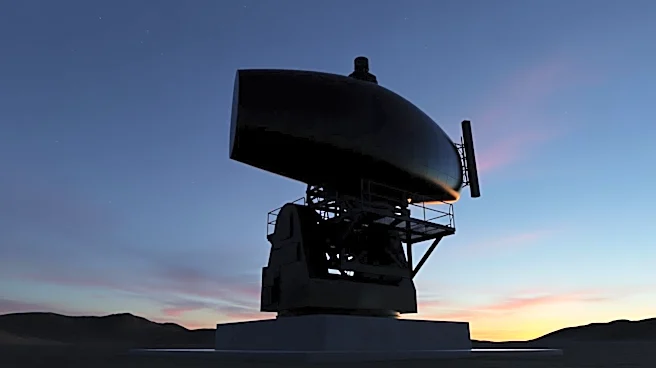
China is reportedly preparing to deliver new air defense systems to Iran, according to U.S. intelligence sources. This development comes amid a two-week ceasefire between the U.S. and Iran. President Trump has stated that if these reports are confirmed,
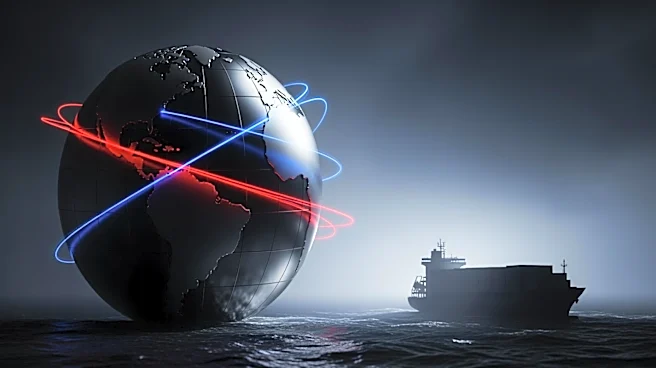
the U.S. will impose a 50% tariff. Chinese officials have denied these allegations, asserting that China has not provided weapons to any party in the conflict. The situation is further complicated by a U.S. blockade of maritime traffic entering and exiting Iranian ports, which has led to rising gas prices in the U.S. The geopolitical tensions are set against the backdrop of an upcoming meeting between President Trump and Chinese President Xi Jinping.
Why It's Important?
The potential military aid from China to Iran could exacerbate existing geopolitical tensions, particularly between the U.S. and China. Such actions may influence the dynamics of the Middle East conflict and impact global oil prices, affecting economies worldwide. The U.S. response, including tariffs and blockades, could further strain diplomatic relations and lead to economic repercussions. The situation highlights the complex interplay of international alliances and the strategic interests of major powers in the region. The outcome of these developments could have significant implications for global trade, security, and diplomatic relations.
What's Next?
The upcoming summit between President Trump and President Xi Jinping may address these tensions, with potential discussions on military aid, trade, and regional security. The international community will likely monitor the situation closely, as further developments could influence global economic and security policies. Diplomatic efforts may be intensified to de-escalate tensions and find a resolution to the conflict. The actions of China and the U.S. in the coming weeks will be critical in shaping the future of their bilateral relations and the broader geopolitical landscape.