





What's Happening?
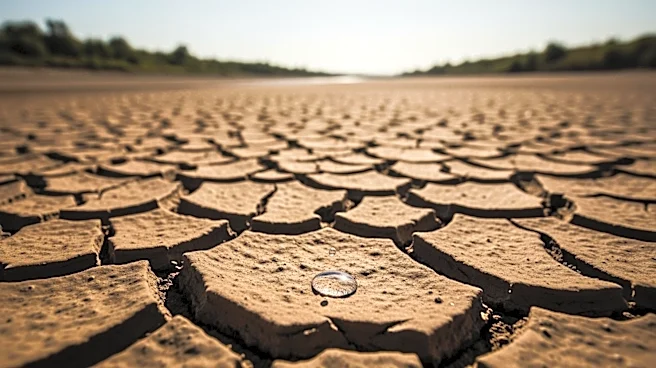
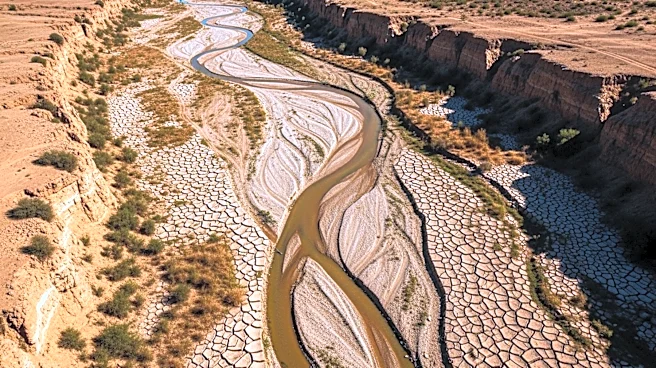
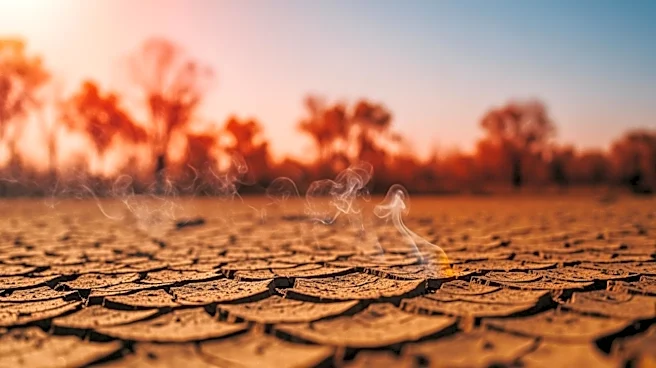
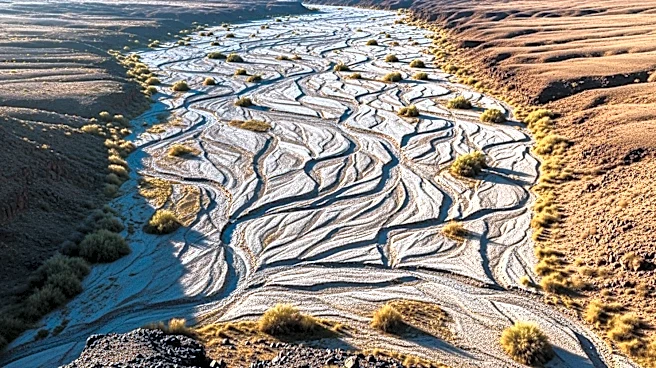
The Colorado River is facing a severe crisis as a result of increased water demand and climate change-induced drought conditions. The river, which supplies water to approximately 40 million people across the Western United States, is experiencing critically
low levels in major reservoirs like Lake Mead and Lake Powell. Federal officials have begun releasing water into Lake Powell to prevent disruptions in hydropower, while states like Arizona, California, and Nevada are proposing emergency measures to conserve water. Despite a recent snowstorm providing temporary relief, experts warn that without significant changes, mandatory water cuts could become necessary.
Why It's Important?
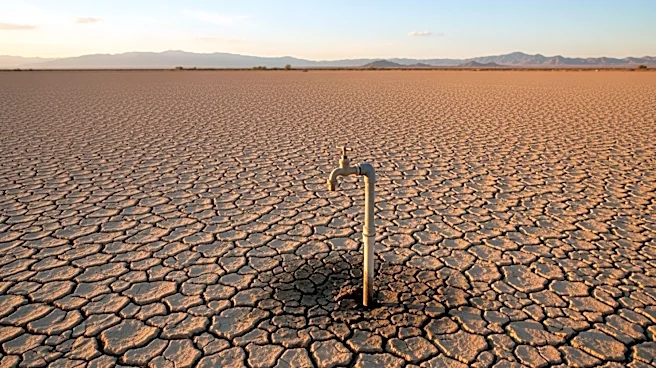
The Colorado River is a vital water source for millions of people and supports agricultural activities, hydropower generation, and urban water supplies. The ongoing crisis threatens these sectors, potentially leading to economic and social challenges. As water levels continue to decline, the risk of mandatory water restrictions increases, which could impact farming operations and urban water availability. The situation highlights the urgent need for sustainable water management practices and cooperative agreements among the states that rely on the river.
What's Next?
With key federal operating rules set to expire, the U.S. Bureau of Reclamation is expected to make critical decisions on water allocation among the states this summer. These decisions will be crucial in determining how water cuts are implemented and could set a precedent for future water management in the region. Stakeholders, including state governments and water policy experts, will need to collaborate to develop long-term solutions that address the root causes of the crisis and ensure the sustainable use of the Colorado River.