










What's Happening?
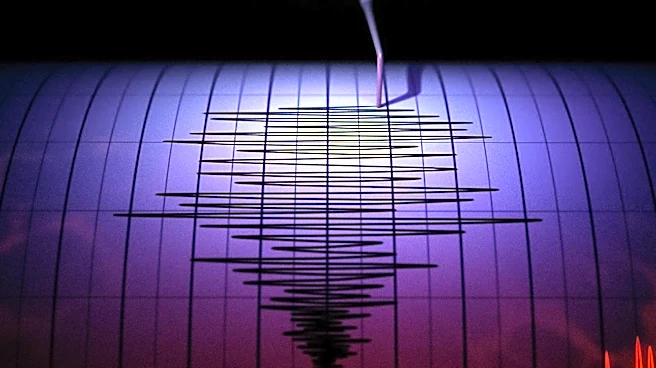
A devastating earthquake in Venezuela has left thousands trapped under rubble, with the official death toll nearing 2,000 and over 10,000 injured. The city of La Guaira, heavily affected by the disaster, saw buildings collapse, leaving residents to fend
for themselves in the absence of immediate rescue efforts. Rubén Darío Sillie, a local resident, turned to social media to plead for help after his family was trapped in the debris. The Venezuelan government's delayed response has drawn significant criticism, with foreign aid teams only arriving days after the disaster. The interim government, led by President Delcy Rodríguez, has been accused of failing to provide timely humanitarian relief, further exacerbating the crisis.
Why It's Important?
The earthquake highlights the vulnerabilities in Venezuela's infrastructure and the government's preparedness for natural disasters. The delayed response has sparked outrage and highlighted the need for improved emergency management systems. The situation underscores the broader challenges facing Venezuela, including political instability and economic hardship, which have left the country ill-equipped to handle such crises. The international community's involvement in rescue efforts points to the necessity of global cooperation in disaster response, especially in regions with limited resources.
What's Next?
As rescue operations continue, the focus will likely shift to rebuilding efforts and addressing the long-term needs of those affected. The Venezuelan government may face increased pressure to reform its disaster response strategies and improve infrastructure resilience. International aid and support will be crucial in the recovery process, and the situation may prompt discussions on how to better prepare for future natural disasters in the region.