






What's Happening?
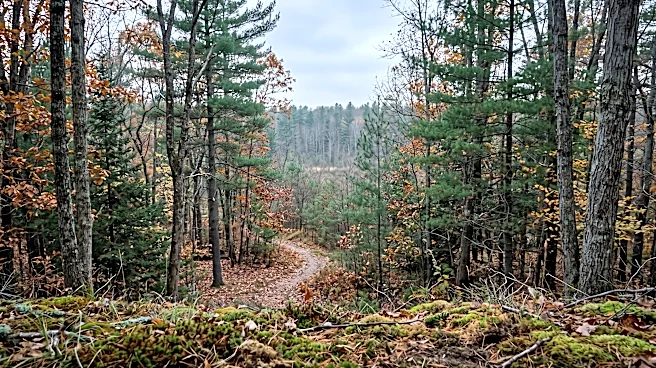
During the opening day of the 2026 Michigan Firearms Deer Season, a northern Lower Peninsula teenager accidentally shot and killed an elk, mistaking it for a large buck. The incident occurred in the Pigeon River Country State Forest, specifically in the Hardwood
Lake and Tin Shanty Bridge area within Corwith Township, Otsego County. The father of the 19-year-old hunter self-reported the shooting via a 911 call. Conservation officers from the Michigan Department of Natural Resources (MDNR) arrived at the scene on Hardwood Lakes Road around 7:55 p.m. to investigate the incident. The area is well-known for its elk population, with DNR Elk Viewing Area #7 located nearby, featuring managed grassy openings designed to attract elk and other wildlife. The names of those involved have not been released. This incident was one of several reported on opening day, which also included a hunter seriously injured after falling from a tree stand in Charlevoix County, a lost hunter who was later found, and numerous car-deer accidents across the region.
Why It's Important?
This incident highlights critical issues surrounding hunter education, wildlife management, and public safety in areas where diverse wildlife populations coexist. The accidental killing of an elk, a protected species in Michigan, underscores the importance of proper identification skills among hunters, especially in regions known for both deer and elk. Such mistakes can lead to legal consequences for hunters and have implications for wildlife conservation efforts. The MDNR's investigation will likely examine factors such as visibility, hunter experience, and adherence to hunting regulations. This event could prompt a review of hunter safety courses, particularly regarding species identification in shared habitats. Furthermore, it draws attention to the challenges faced by wildlife management agencies in balancing hunting opportunities with conservation goals. The incident also serves as a reminder of the inherent risks associated with hunting, including accidents like falls from tree stands and the prevalence of car-deer collisions, which collectively impact public safety and natural resources.
What's Next?
The Michigan Department of Natural Resources (MDNR) will continue its investigation into the accidental shooting of the elk. This investigation will likely involve interviewing the teenager and his father, examining the scene, and reviewing any evidence to determine the exact circumstances of the incident. The MDNR may release findings and information from this and other opening day investigations, which could include details on potential charges or educational measures. Depending on the outcome, there could be discussions about enhancing hunter education programs, particularly focusing on species differentiation in areas with overlapping deer and elk populations. The incident may also lead to increased public awareness campaigns about responsible hunting practices and wildlife identification. For the broader hunting community, this event serves as a cautionary tale, emphasizing the need for vigilance and adherence to safety protocols. The MDNR's response will be crucial in reinforcing conservation ethics and ensuring the sustainable management of Michigan's wildlife resources.
Beyond the Headlines
Beyond the immediate investigation, this incident touches upon the complex relationship between humans and wildlife in shared natural spaces. The accidental killing of an elk by a young hunter can spark broader conversations about ethical hunting, the role of technology in hunting, and the psychological pressures on hunters during peak season. It also brings to light the effectiveness of current wildlife management strategies in preventing such occurrences, especially in popular hunting grounds like the Pigeon River Country State Forest. The emotional impact on the hunter and his family, despite the accidental nature of the event, can be significant. From a conservation perspective, even a single accidental death of a protected species can raise concerns about population health and genetic diversity, particularly for species like elk that have been subject to reintroduction and management efforts. This event could also influence public perception of hunting, potentially fueling debates between hunting advocates and animal welfare groups regarding the balance between recreational activities and wildlife protection.