






What's Happening?
Rocky Mountain Power customers in 16 Utah communities are set to join the Community Clean Energy Program (CCEP), launching on January 1, 2027. This program, a partnership between Utah Renewable Communities and Rocky Mountain Power, aims to help participating
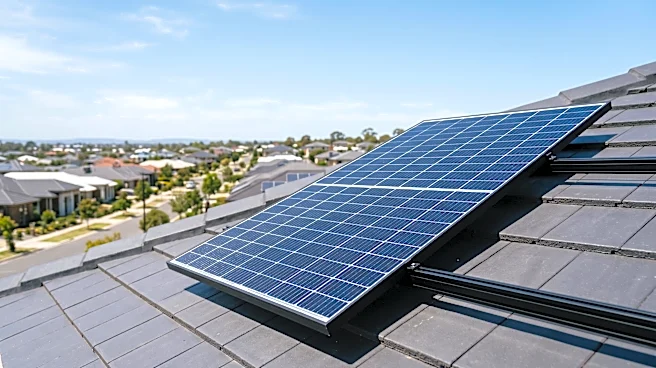
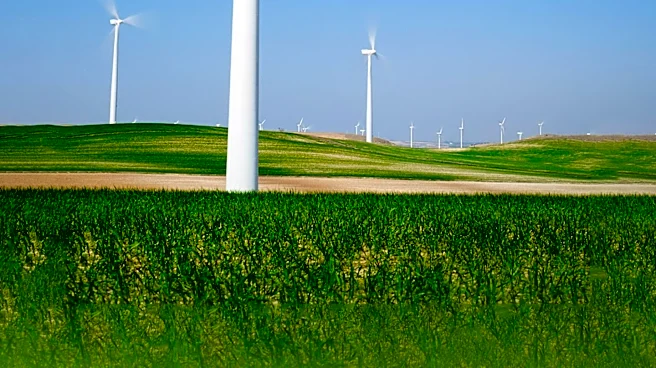
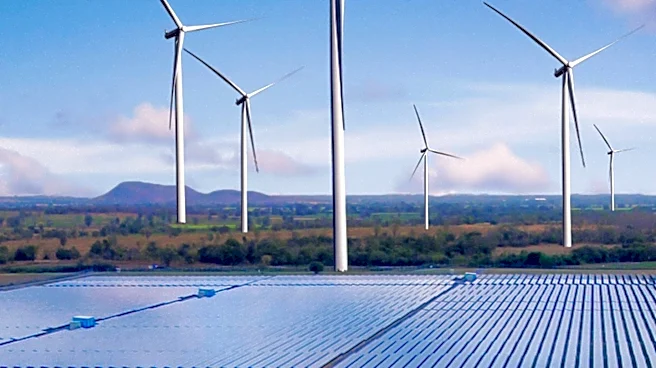
communities transition towards 100% renewable electricity over time. Customers who remain enrolled will incur an additional fee on their monthly power bills, which will fund the development of new renewable energy resources, including solar, wind, and geothermal projects. The program includes communities such as Salt Lake City, Park City, and Ogden. Residential customers will see a $4 monthly charge, while businesses will pay $0.00609 per kilowatt-hour plus 12 cents monthly, potentially adding 4% to 9% to their electric bills. Customers can opt out, with a grace period until May 1, 2027, to avoid termination fees.
Why It's Important?
This program represents a significant step in Utah's commitment to expanding renewable energy and reducing reliance on fossil fuels. By directly involving customers in funding new clean energy projects, the CCEP creates a community-driven model for energy transition. The potential addition of up to 500 megawatts of new clean energy capacity to Rocky Mountain Power's system will contribute substantially to the state's renewable energy portfolio and improve air quality. This initiative also highlights a growing trend of utilities collaborating with local communities to meet clean energy goals, demonstrating a shift towards more localized and participatory energy planning. The program's structure, including opt-out options and support for low-income customers, aims to balance environmental objectives with consumer choice and affordability, setting a precedent for similar programs in other states.
What's Next?
Customers in the participating communities will receive notifications in November detailing the program and how to opt out before enrollment begins on January 1, 2027. Utah Renewable Communities has already selected two solar projects for final contract negotiations, with completion expected between 2028 and 2030. The success of these initial projects will be crucial in demonstrating the program's effectiveness and building confidence among participants. Program leaders will continue to identify and develop additional renewable energy projects to meet the long-term goal of matching the electricity used by participating homes and businesses with renewable energy. The ongoing management of customer enrollment, fee structures, and project development will be key to the program's sustained impact and its ability to achieve its 100% renewable electricity target.
Beyond the Headlines
The Community Clean Energy Program signifies a broader societal shift towards localized energy solutions and increased consumer engagement in climate action. By allowing communities to directly contribute to and benefit from renewable energy development, the program fosters a sense of ownership and collective responsibility for environmental sustainability. This model could inspire other regions to explore similar community-funded initiatives, potentially accelerating the transition to clean energy across the U.S. Furthermore, the program's focus on reducing reliance on fossil fuels and improving air quality addresses critical public health concerns, particularly in urban areas. The long-term implications include not only a cleaner energy grid but also potentially more resilient local economies, reduced energy costs through diversified sources, and enhanced community cohesion around shared environmental goals.