





What's Happening?
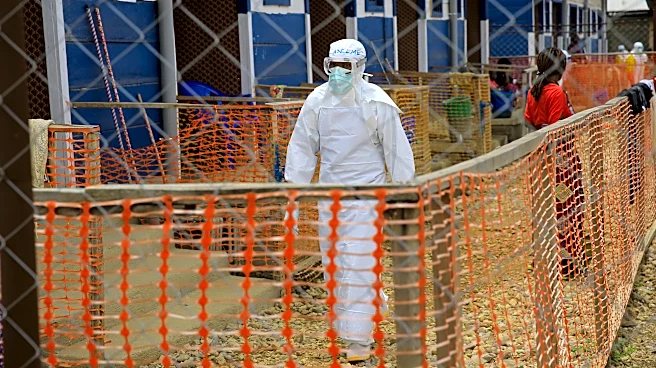
In Borno State, Nigeria, Save the Children Nigeria, with support from the Nigeria Humanitarian Fund, provided free life-saving treatment to children and families affected by a recent cholera outbreak. This intervention was critical for individuals like
ten-year-old Ibrahim, who arrived at a cholera treatment center unconscious and severely weakened by the disease. Timely medical care led to his recovery, highlighting the impact of humanitarian efforts in crisis-stricken regions. The organization's work focused on addressing one of the state's worst cholera outbreaks in recent years, ensuring that affected individuals received necessary medical attention to combat the illness.
Why It's Important?
The intervention by Save the Children Nigeria underscores the vital role of humanitarian aid in mitigating public health crises, particularly in regions vulnerable to outbreaks like cholera. The successful treatment of individuals like Ibrahim demonstrates that even in overwhelming humanitarian situations, targeted support can make a significant difference in individual lives. This effort not only saves lives but also contributes to community stability by reducing the burden of disease and allowing children to return to their normal lives of playing and learning. The support from the Nigeria Humanitarian Fund highlights the importance of international and national partnerships in addressing health emergencies and strengthening local response capacities.
What's Next?
While the immediate crisis for individuals like Ibrahim has been addressed, the broader challenge of preventing future cholera outbreaks in Borno State and similar regions remains. Continued investment in public health infrastructure, access to clean water and sanitation, and sustained humanitarian funding will be crucial. Organizations like Save the Children Nigeria will likely continue to monitor health situations and provide support as needed, emphasizing the ongoing nature of humanitarian work in vulnerable communities. The success of this intervention may also serve as a model for future responses to similar health emergencies.
Beyond the Headlines
The story of Ibrahim's recovery extends beyond a single medical success; it illustrates the profound human impact of humanitarian crises and the resilience of communities facing them. It also brings to light the ethical imperative of global health equity, where access to basic life-saving treatment should not be determined by geographic location or socioeconomic status. The collaborative effort between Save the Children Nigeria and the Nigeria Humanitarian Fund exemplifies how coordinated action can address immediate suffering and foster hope for a healthier future, even in the face of widespread adversity. This case highlights the continuous need for robust support systems to protect the most vulnerable populations.