
What's Happening?
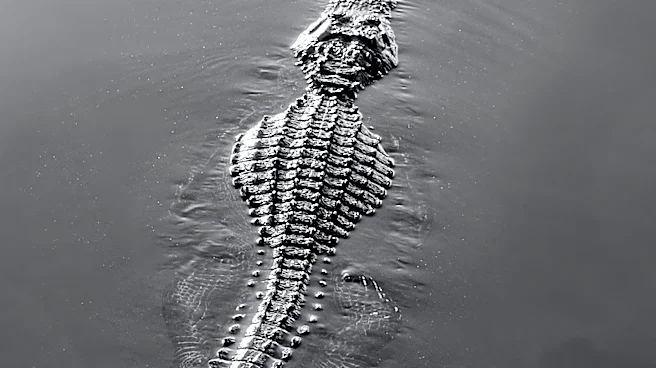
In South Florida, American crocodiles are increasingly using human-made structures like jet skis, kayaks, and floating docks to bask in the sun. This adaptation is a response to habitat loss due to coastal development, which has replaced natural shorelines
with seawalls. The crocodile population has grown from a few hundred in 1975 to about 2,000 today. Despite their proximity to humans, attacks remain rare. The Florida Fish and Wildlife Conservation Commission notes that these reptiles are using manmade environments to meet their physiological needs, which is crucial for their continued survival.
Why It's Important?
The adaptation of crocodiles to human-modified environments highlights the broader issue of wildlife conservation amid urban development. As their natural habitats diminish, crocodiles' use of manmade structures underscores the need for coexistence strategies between humans and wildlife. This situation raises questions about the impact of urbanization on biodiversity and the importance of preserving natural habitats. The growing crocodile population also reflects successful conservation efforts, yet it necessitates ongoing management to ensure safety and ecological balance.
Beyond the Headlines
The presence of crocodiles in human environments may lead to increased encounters, necessitating public education on safety and coexistence. This adaptation could influence future urban planning and conservation policies, emphasizing the integration of wildlife needs into development projects. The situation also serves as a reminder of the delicate balance between human expansion and wildlife preservation.