
What's Happening?
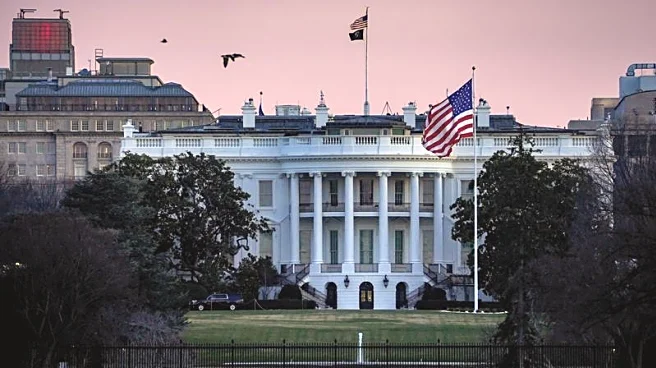
President Donald Trump's administration has installed a replica of a Christopher Columbus statue on the grounds of the Eisenhower Executive Office Building, adjacent to the White House. This statue was previously toppled into Baltimore's harbor during
the 2020 protests over racial injustice. The decision to place the statue comes as part of Trump's efforts to mark the 250th anniversary of the signing of the Declaration of Independence. The statue, originally unveiled by President Ronald Reagan in 1984, was restored after being damaged during the protests. It is currently on loan from the Italian American Organizations United.
Why It's Important?
The installation of the Columbus statue is significant as it highlights ongoing debates about historical narratives and the figures celebrated in public spaces. Columbus is a contentious figure, seen by some as a symbol of exploration and by others as a colonizer responsible for the suffering of Indigenous peoples. Trump's decision to honor Columbus contrasts with former President Joe Biden's recognition of Indigenous Peoples' Day. This move may influence public discourse on how history is commemorated and the cultural values that are prioritized in national symbols.
What's Next?
The statue remains on loan and could be removed if a future administration requests it. The decision may prompt reactions from various stakeholders, including Indigenous groups and Italian-American communities. The broader conversation about historical representation in public spaces is likely to continue, potentially influencing future policy decisions regarding national monuments and holidays.