






What's Happening?
The Federal Railroad Administration (FRA) has announced the recipients of the FY 2025-2026 Consolidated Rail Infrastructure and Safety Improvements (CRISI) Program grants, totaling $2.34 billion. This funding will be distributed across 105 projects nationwide.
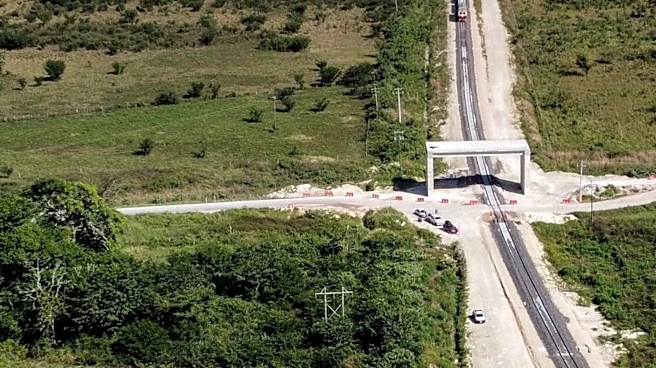
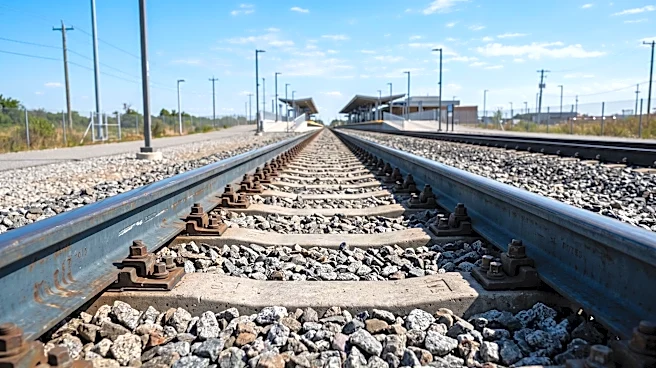
While a significant portion of the grants is allocated to freight rail infrastructure, several key projects are specifically designed to enhance existing or facilitate future intercity passenger rail services. Notable awards include up to $218.2 million to the Wisconsin Department of Transportation for the Hiawatha West Extension, aiming to extend the Chicago-Milwaukee Hiawatha service westward to Pewaukee, Watertown, and Madison. This project encompasses track, bridge, and crossing improvements, increased corridor capacity, and the construction of new intercity passenger stations. Additionally, Massachusetts will receive up to $130.1 million for the Springfield Rail Hub Modernization, which involves critical infrastructure upgrades around Springfield Union Station to alleviate rail chokepoints and improve reliability. Amtrak will also receive up to $27.2 million for a fencing program along the Northeast Corridor in Rhode Island and Maryland to reduce trespassing incidents.
Why It's Important?
These federal rail grants are crucial for modernizing and expanding the U.S. rail network, with significant implications for both passenger and freight transportation. The investment in passenger rail projects, such as the Hiawatha West Extension, aims to improve connectivity and reduce travel times in key regions, potentially shifting commuters and travelers from road to rail. This could lead to reduced traffic congestion, lower carbon emissions, and increased economic activity in the areas served by improved rail lines. The Springfield Rail Hub Modernization, by eliminating a major chokepoint, will enhance the efficiency and reliability of rail services throughout New England, benefiting both passenger and freight operations. The Amtrak fencing program addresses critical safety concerns, aiming to reduce fatalities and service disruptions caused by trespassing, thereby improving the overall safety and efficiency of the nation's busiest passenger rail corridor. These investments underscore a federal commitment to upgrading aging infrastructure and fostering a more robust and sustainable transportation system.
What's Next?
The awarded funds will now be utilized by the respective state departments of transportation and rail operators to commence or continue with the planned projects. For the Hiawatha West Extension in Wisconsin, the focus will be on implementing the track, bridge, and crossing improvements, expanding corridor capacity, and constructing new stations. This project is expected to close a significant gap in the Midwest passenger network, a goal that has been pursued for over a decade. In Massachusetts, the Springfield Rail Hub Modernization will proceed with interlocking reconstruction, track reconfiguration, and signal improvements, which are anticipated to reduce conflicts between passenger and freight trains and shorten travel times. Amtrak will move forward with the installation of approximately 50,000 feet of security fencing along the Northeast Corridor. These projects are expected to enhance rail service reliability, safety, and capacity, with ongoing monitoring and oversight from the FRA to ensure successful implementation and adherence to safety standards.
Beyond the Headlines
The allocation of these federal grants extends beyond immediate infrastructure improvements, signaling a broader strategic shift towards strengthening national rail capabilities. The historical context of the Hiawatha West Extension, which faced a significant setback in 2010 due to political decisions, highlights the long-term impact of policy choices on infrastructure development and regional connectivity. The renewed investment in this corridor not only rectifies past missed opportunities but also demonstrates a commitment to long-term regional planning and economic integration. Furthermore, the emphasis on both passenger and freight rail projects underscores the interconnectedness of these systems in supporting economic growth and supply chain resilience. By improving rail infrastructure, the U.S. aims to enhance its competitive edge in logistics and reduce its reliance on other transportation modes, contributing to environmental sustainability and energy efficiency. These grants also reflect a continued effort to address safety concerns, which are paramount for public confidence and the efficient operation of rail services.