






What's Happening?
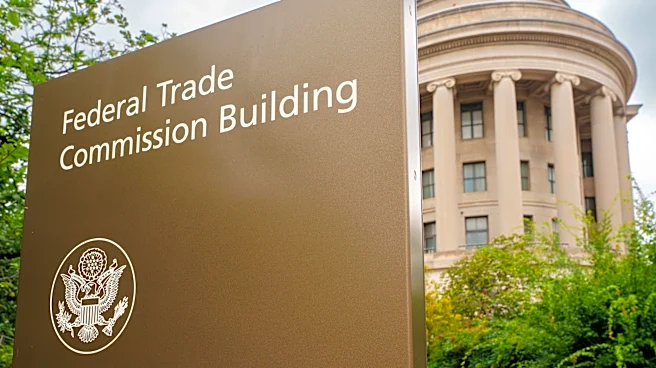
The Federal Trade Commission (FTC) has issued a warning about a surge in scams during Open Enrollment periods for Medicare and health insurance. Scammers are creating fake websites, buying online advertisements, and impersonating government agencies to
steal personal and financial information. Their goal is to obtain Social Security numbers, Medicare numbers, banking details, or credit card information, and to commit medical identity theft or sell fake insurance plans. These scams often begin with unsolicited calls, emails, or text messages and pressure victims to act immediately, asking for personal information or payment before explaining plan details.
Why It's Important?
Open Enrollment periods are critical times for millions of Americans to secure health coverage, making them prime targets for fraudsters. The theft of personal and financial information can lead to significant financial losses, medical identity theft, and disruption of essential healthcare services. The deceptive tactics, such as creating urgency and impersonating trusted entities, exploit individuals' need for health coverage and their trust in official communications. This widespread fraudulent activity undermines public confidence in the healthcare system and poses a serious threat to the financial and health security of U.S. citizens.
What's Next?
To protect themselves, consumers are advised to be highly cautious. Key recommendations include typing official government website addresses like Medicare.gov or HealthCare.gov directly into their browsers, ignoring unsolicited calls or texts, and independently verifying phone numbers. It is crucial never to provide personal information unless the contact was initiated by the individual through an official channel. Any pressure to pay immediately or offers that seem 'too good to be true' should be red flags. If personal information has been shared, individuals should contact their financial institutions, monitor accounts, and report the scam to ReportFraud.ftc.gov, and to 1-800-MEDICARE if Medicare information was involved.
Beyond the Headlines
The rise of Open Enrollment scams highlights a broader vulnerability in the digital age, where critical life services are increasingly accessed online. The sophistication of these scams, including the use of sponsored ads and convincing fake websites, points to a need for enhanced digital literacy and critical thinking skills among the general public. Beyond the immediate financial and identity theft risks, these scams can cause significant stress and anxiety, particularly for older adults or those with complex health needs. The issue also underscores the challenge for legitimate government agencies and healthcare providers to effectively communicate with the public in a way that is clearly distinguishable from fraudulent attempts, requiring innovative approaches to public outreach and trust-building.