







What's Happening?
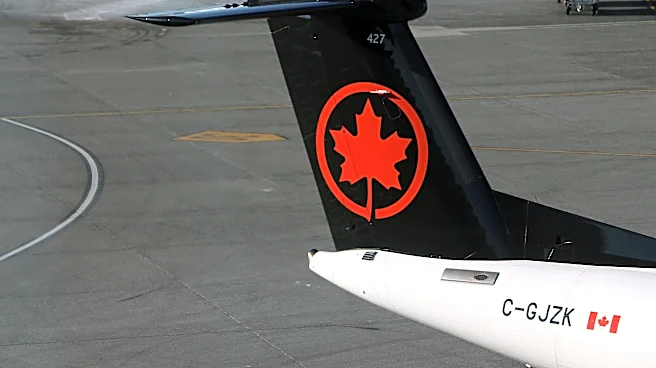
Passengers on an Air Canada flight from Newark to Halifax experienced a sudden and alarming situation when the pilot suffered a medical emergency mid-flight. The incident occurred on June 24, 2026, when the aircraft, a De Havilland Q400 operated by PAL
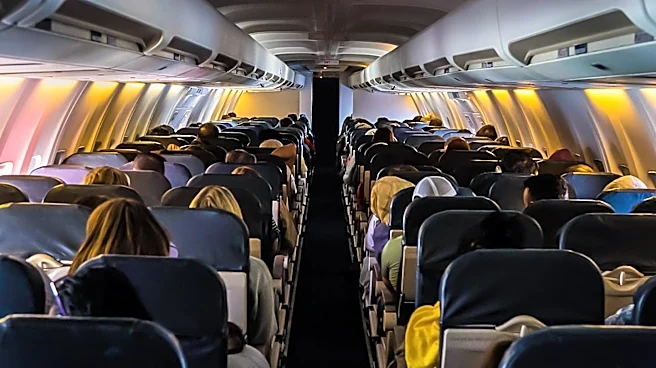
Airlines, began to swerve unexpectedly. Rodney McDonald, a passenger on the flight, described the moment as terrifying, noting that it felt as though the controls had been jolted. A flight attendant quickly entered the cockpit and, with the help of passengers, restrained the incapacitated pilot, who appeared to be having a seizure. The first officer took control of the plane and safely diverted it to Boston, where it landed without further incident. The pilot was subsequently taken to a hospital for medical treatment. The flight carried 61 passengers, and Air Canada is working to arrange alternate travel for them.
Why It's Important?
This incident highlights the critical importance of emergency preparedness and the role of passengers in ensuring flight safety. The quick response by the flight crew and passengers prevented a potentially disastrous situation. It underscores the need for airlines to have robust protocols for handling in-flight medical emergencies, especially those involving crew members. The event also raises awareness about the health and safety standards for pilots, emphasizing the importance of regular medical evaluations to prevent such occurrences. For the aviation industry, this incident may prompt a review of current safety measures and emergency response training for both crew and passengers.
What's Next?
Following the incident, Air Canada is likely to conduct a thorough investigation to understand the circumstances leading to the pilot's medical emergency. This may involve reviewing the pilot's health records and the airline's emergency response procedures. The findings could lead to changes in policy or training to enhance safety. Additionally, regulatory bodies may look into the incident to determine if broader industry-wide measures are necessary. Passengers affected by the diversion will be provided with alternate travel arrangements, and the airline may face scrutiny regarding its handling of the situation.