




What's Happening?
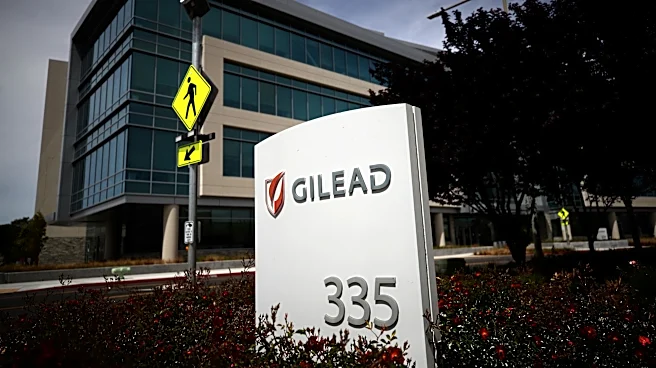
Gilead Sciences, Inc. has announced royalty-free voluntary licensing agreements with three generic manufacturers to facilitate future access to its investigational antiviral, obeldesivir, for post-exposure prophylaxis (PEP) of Ebola Bundibugyo virus disease
(BVD). These agreements cover 127 primarily low- and lower-middle-income countries, including all African nations that have reported cases during the current Ebola BVD outbreak. The initiative aims to support manufacturing readiness, technology transfer, and supply planning while obeldesivir is being evaluated in the ongoing Ebola Post-Exposure Prophylaxis (EBO-PEP) trial, a partner-led Phase 3 randomized, placebo-controlled field trial. Obeldesivir is an investigational antiviral that has shown preclinical activity across multiple filoviruses and has been evaluated in clinical trials for COVID-19 and respiratory syncytial virus (RSV). Additionally, Gilead is expanding its existing voluntary licensing agreements for remdesivir to include filovirus disease, and has donated over 2,000 vials of remdesivir to Kenya for investigational use.
Why It's Important?
This move by Gilead Sciences is crucial for global health preparedness, particularly in regions vulnerable to Ebola BVD outbreaks. By entering into royalty-free voluntary licensing agreements, Gilead is proactively addressing potential access barriers to an investigational treatment, even before its regulatory approval. This strategy aims to ensure that if obeldesivir proves effective and gains approval, it can be rapidly manufactured and distributed to populations in need, especially in low- and middle-income countries that often face significant challenges in accessing new medicines. For the U.S., this demonstrates a commitment from a major American biopharmaceutical company to global health equity and pandemic preparedness, which can have positive diplomatic and humanitarian implications. It also highlights the ongoing research and development efforts in the U.S. to combat emerging infectious diseases, reinforcing the nation's role in global health innovation. The expansion of remdesivir's licensing to include filovirus disease further broadens the potential therapeutic arsenal against these deadly viruses.
What's Next?
The immediate next step involves the continuation and completion of the EBO-PEP trial, which is evaluating obeldesivir's efficacy as PEP for individuals at high risk of developing Ebola BVD. The voluntary licensing agreements are designed to support manufacturing readiness and technology transfer in anticipation of potential regulatory approvals. If the clinical data are positive and regulatory authorizations are granted, the generic manufacturers will be authorized to produce and supply obeldesivir in the licensed territories. Gilead also plans to continue discussions with additional manufacturers for further agreements. The company's broader approach to outbreak preparedness includes ongoing clinical research, manufacturing and supply planning, technology transfer, and collaboration with governments, public health agencies, and global health partners. The results of the EBO-PEP trial and subsequent regulatory decisions will be critical in determining the future availability and impact of obeldesivir.
Beyond the Headlines
Gilead's proactive licensing strategy for an investigational drug reflects a growing recognition within the pharmaceutical industry of the need for early and equitable access to potential treatments for global health crises. This approach could set a precedent for how biopharmaceutical companies engage in future pandemic preparedness, moving beyond traditional market-driven models to incorporate humanitarian considerations. Ethically, it addresses concerns about drug accessibility in resource-limited settings, which often bear the brunt of infectious disease outbreaks. Legally, these royalty-free agreements demonstrate a flexible intellectual property framework that prioritizes public health during emergencies. Culturally, such collaborations can foster greater trust between pharmaceutical companies, governments, and international organizations, strengthening the global response to health threats. This model could influence future U.S. foreign policy and aid strategies related to global health security.