






What's Happening?
The UK defense ministry has reported ongoing issues within the Russian military, specifically highlighting repeated friendly-fire incidents involving glide bombs. According to the ministry, these incidents are indicative of significant flaws in Russia's
military operations, particularly in the execution of airstrikes. The report, which cites an independent Russian open-source intelligence group, Astra, notes that Russian forces have mistakenly dropped glide bombs on their own controlled territories multiple times. In 2025 alone, there were 143 such incidents, with 165 reported in 2024. The UK defense ministry attributes these errors to a combination of poor procedures for arming fighters and execution mistakes by air crews, suggesting a degree of fatigue and inadequate training among Russian forces. The Russian defense ministry has not responded to these claims.
Why It's Important?
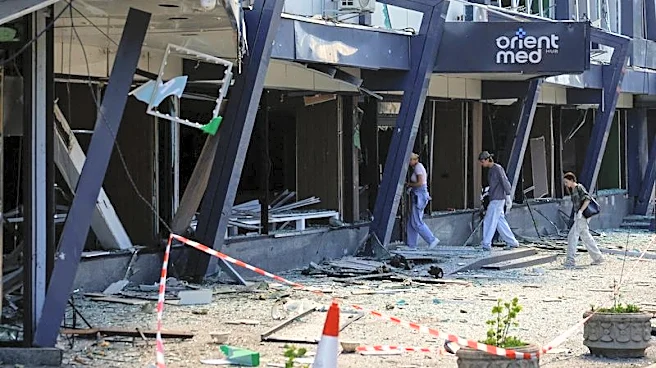
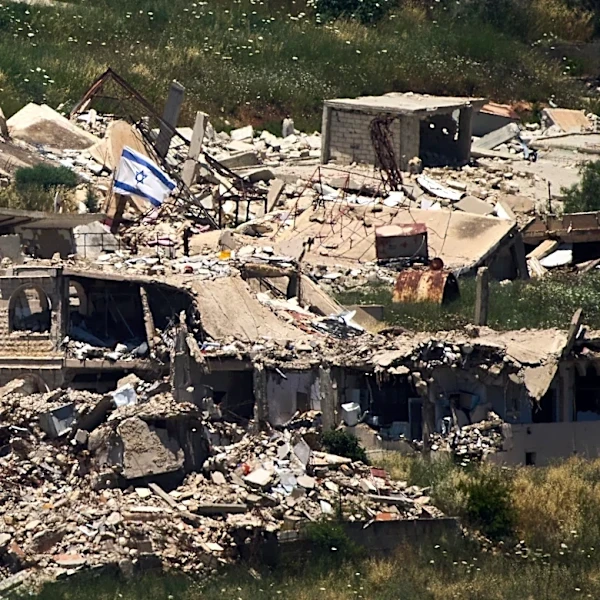
The repeated friendly-fire incidents underscore significant operational challenges within the Russian military, which could have broader implications for regional security and military effectiveness. These errors not only highlight potential vulnerabilities in Russia's military capabilities but also raise concerns about the safety of civilians in affected areas, such as Belgorod, where such incidents have resulted in injuries and damage. The situation reflects poorly on Russia's military training and preparedness, potentially affecting its strategic positioning and credibility on the international stage. For the U.S. and its allies, these developments could influence military and diplomatic strategies, as they assess the capabilities and reliability of Russian military operations.
What's Next?
The ongoing issues with Russian military operations may prompt further scrutiny and analysis from international defense communities. If these incidents continue, there could be increased pressure on Russia to address the training and procedural deficiencies within its military. Additionally, affected regions may demand more accountability and safety measures to protect civilians from such errors. The international community, including the U.S., may use these incidents to reassess their diplomatic and military strategies concerning Russia, potentially influencing future negotiations and defense policies.
Beyond the Headlines
The friendly-fire incidents also raise ethical and legal questions about military accountability and the protection of civilians in conflict zones. The repeated nature of these errors suggests systemic issues within the Russian military, which could lead to calls for reforms and improved oversight. Furthermore, the situation highlights the potential human cost of military errors, emphasizing the need for robust training and operational protocols to prevent such incidents. These developments could influence international norms and expectations regarding military conduct and accountability.