




What's Happening?
Ukraine is reportedly preparing "radical" changes to its mobilization system, including potential revisions to the country's draft age, according to Roman Kostenko, secretary of the parliamentary defense committee. This comes as financial incentives aimed
at boosting military recruitment have not significantly increased enlistment. Kostenko indicated that discussions are underway regarding the draft age, though he did not specify whether it would be lowered or raised, stating that the Defense Ministry or General Staff would provide further details. He also clarified that Ukraine does not intend to abandon compulsory mobilization in favor of an exclusively voluntary system. Reports suggesting the elimination of mobilization exemptions for parents with three or more children were denied, with Kostenko confirming no such legislative initiatives are currently being considered. Furthermore, there are no plans to change the mobilization of women, which will remain voluntary. These considerations arise as Ukraine faces a growing need to replenish its fighting units, build reserves, and allow existing soldiers to rotate from the front lines during the fifth year of the full-scale war with Russia.
Why It's Important?
The potential for "radical" changes to Ukraine's mobilization system underscores the severe and ongoing challenges the nation faces in sustaining its military efforts against Russia. The inability of financial incentives to significantly boost recruitment highlights a deeper issue, possibly related to war fatigue, perceived risks, or societal resistance to conscription. Any alteration to the draft age, whether lowering or raising it, would have profound social and economic implications, affecting a broader segment of the male population and potentially impacting the workforce and family structures. The continued reliance on compulsory mobilization, rather than a voluntary system, signals the critical need for manpower to maintain defensive and offensive operations. The clarification that exemptions for parents with multiple children and the voluntary status of women's military service will remain unchanged indicates an attempt to balance military necessity with social stability and human rights concerns. This situation reflects the immense pressure on Ukraine's leadership to find sustainable solutions for troop replenishment while navigating complex domestic sensitivities during wartime.
What's Next?
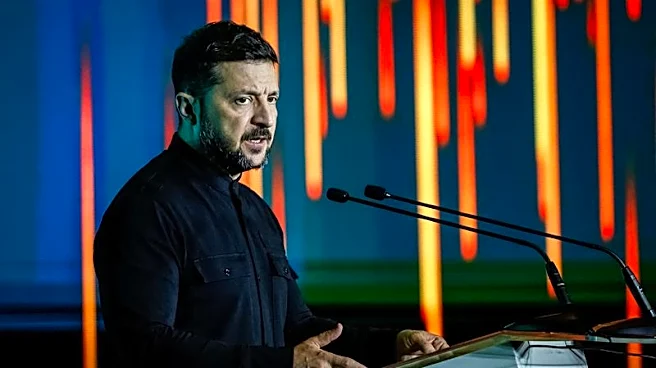
Further details regarding the specific changes to Ukraine's mobilization system, particularly concerning the draft age, are expected to be announced by the Defense Ministry or General Staff. These announcements will likely trigger significant public discussion and potential reactions from various segments of Ukrainian society, including those directly affected by conscription. The government will need to carefully manage public perception and ensure transparency in the implementation of any new policies to avoid further recruitment challenges or social unrest. Meanwhile, Russia reportedly plans to mobilize around 300,000 people after its State Duma elections in September, a move that Ukrainian President Volodymyr Zelensky suggests will avoid major cities to minimize backlash. This contrasting approach to mobilization by Russia could further influence Ukraine's strategic decisions and the urgency of its own recruitment reforms. The effectiveness of Ukraine's revised mobilization efforts will be crucial for its ability to maintain military strength, rotate troops, and potentially launch future counter-offensives against Russian forces.
Beyond the Headlines
The ongoing struggle with mobilization in Ukraine reveals the profound human cost and societal strain of prolonged warfare. Beyond the immediate military necessity, the debate over draft age and recruitment methods touches upon fundamental questions of civic duty, individual liberty, and the state's power during a national crisis. The challenges in recruitment, despite financial incentives, suggest a complex interplay of factors including psychological impact of war, economic opportunities, and trust in government institutions. The need for "radical" changes could also indicate a recognition that previous approaches are no longer sufficient, necessitating a more comprehensive and potentially more intrusive strategy to maintain military readiness. This situation could lead to long-term demographic shifts and societal changes within Ukraine, as a significant portion of its male population is either serving in the military or subject to conscription. The ethical considerations surrounding forced conscription and the balance between national security and individual rights will remain a critical, underlying tension as Ukraine continues to adapt its mobilization policies.