








What's Happening?
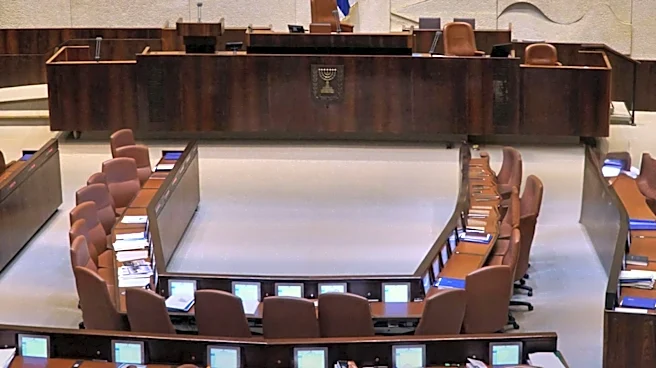
The criminal trial of Prime Minister Benjamin Netanyahu has resumed in Jerusalem after a summer recess, entering a new phase for the defense to present its evidence. The proceedings are primarily focused on agreeing to a schedule for calling defense witnesses,
including Knesset member Zeev Elkin and police officers Ronit Mandelbaum and Shmuel Sharvit. The testimony of Mandelbaum and Sharvit is expected to address the conduct of investigations and the legality of evidence acquisition. A key unresolved issue is the bribery charge in Case 4000, also known as the Bezeq-Walla case. Judges have previously indicated difficulties in proving this charge and suggested the prosecution consider withdrawing it, though no formal withdrawal or amendment to the indictment has occurred. The prosecution alleges that Netanyahu, while serving as prime minister and communications minister, made regulatory decisions favoring Bezeq and its then-controlling shareholder, Shaul Elovitch, in exchange for favorable media coverage on the Walla website.
Why It's Important?
The ongoing criminal trial of a sitting Prime Minister carries significant weight for Israel's political landscape and its democratic institutions. The outcome of this trial could profoundly impact Netanyahu's political future and potentially lead to shifts in government leadership. For the U.S., a key ally in the Middle East, political stability in Israel is a critical concern. Any major political upheaval resulting from the trial could influence regional dynamics, U.S. foreign policy decisions, and ongoing peace efforts. The trial also tests the independence and integrity of Israel's judicial system, demonstrating its capacity to hold even the highest-ranking officials accountable. The scrutiny over the bribery charge, in particular, highlights concerns about corruption at the highest levels of government and the potential for abuse of power, which can erode public trust and have long-term implications for governance and democratic norms.
What's Next?
The trial is set to continue with the cross-examination of Knesset member Zeev Elkin and the testimonies of Ronit Mandelbaum and Shmuel Sharvit this week. From October 4, hearings are scheduled to be held five days a week, from Sunday through Thursday, indicating an acceleration of the proceedings. After the defense witnesses conclude their testimonies, both parties will submit their closing arguments. Subsequently, the panel of judges will issue a verdict on the remaining charges. Even if the bribery charge in Case 4000 is withdrawn, Netanyahu will still face charges of fraud and breach of trust in this case, as well as similar charges in Cases 1000 and 2000, which involve alleged gifts from wealthy businessmen. The judges are actively urging both sides to shorten their witness lists to expedite the trial, which commenced in May 2020.
Beyond the Headlines
Beyond the immediate legal implications for Prime Minister Netanyahu, this trial delves into the broader ethical and governance standards expected of public officials. The allegations of trading regulatory favors for positive media coverage raise fundamental questions about the integrity of the press and the potential for political influence to corrupt journalistic independence. This case could set precedents for how future allegations of corruption against high-ranking officials are handled, potentially strengthening or weakening public confidence in the accountability mechanisms within the Israeli government. The prolonged nature of the trial, which began in May 2020, also highlights the challenges of prosecuting complex cases involving political figures, including the strain on judicial resources and the potential for public fatigue. The outcome will not only determine Netanyahu's fate but also contribute to the ongoing discourse about transparency, ethics, and the balance of power within Israel's democratic framework.