





What's Happening?
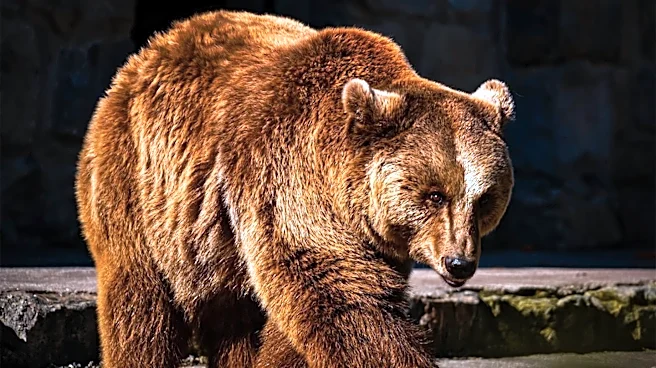
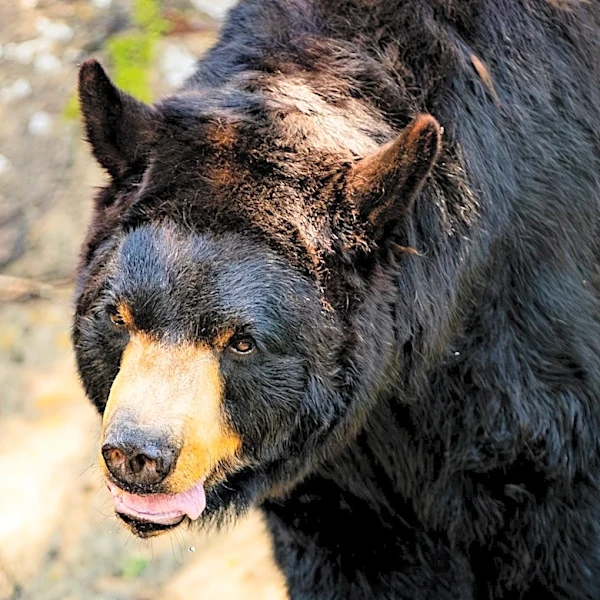
A bear was observed near Eddy Hall on the Colorado State University (CSU) campus. This sighting occurred while students were in the process of moving into their dormitories for the upcoming academic year. The presence of wildlife, particularly bears,
in areas frequented by humans, such as a university campus during a busy period like move-in day, can raise concerns for both public safety and animal welfare. University campuses, especially those located near natural habitats, occasionally experience such encounters. The incident highlights the ongoing interaction between urban development and wildlife populations in Colorado.
Why It's Important?
The presence of a bear on a university campus during a high-traffic event like move-in day is significant due to potential safety risks for students, staff, and the animal itself. Such incidents can disrupt campus activities and necessitate immediate responses from university authorities and wildlife management officials to ensure public safety. It also underscores the broader issue of human-wildlife coexistence in areas where urban expansion encroaches on natural animal habitats. For CSU, it may prompt a review of campus safety protocols and awareness campaigns regarding wildlife encounters, especially as the student population returns and activity increases. The event serves as a reminder for individuals to be vigilant and informed about how to react responsibly when encountering wildlife in populated areas.
What's Next?
Following the bear sighting, it is likely that Colorado State University officials, in conjunction with local wildlife authorities, will assess the situation and determine if any specific actions are needed. This could include monitoring the area for further bear activity, implementing temporary safety measures, or issuing advisories to the campus community regarding wildlife precautions. Educational efforts might be increased to inform students and staff about how to prevent attracting wildlife and what steps to take if another encounter occurs. The incident may also lead to discussions about long-term strategies for managing wildlife interactions on campus, especially given the proximity of the university to natural environments.
Beyond the Headlines
Beyond the immediate concern for safety, this bear sighting on the CSU campus reflects a growing trend of human-wildlife interactions in the U.S., particularly in states like Colorado with expanding urban areas adjacent to wildlands. It brings to light the ecological implications of human development and the challenges of maintaining biodiversity while ensuring public safety. Such events often spark broader conversations about habitat preservation, responsible waste management to avoid attracting animals, and the need for effective wildlife corridors. The incident serves as a microcosm of the larger environmental and societal challenge of balancing human needs with the imperative to protect and coexist with wildlife.