

What's Happening?
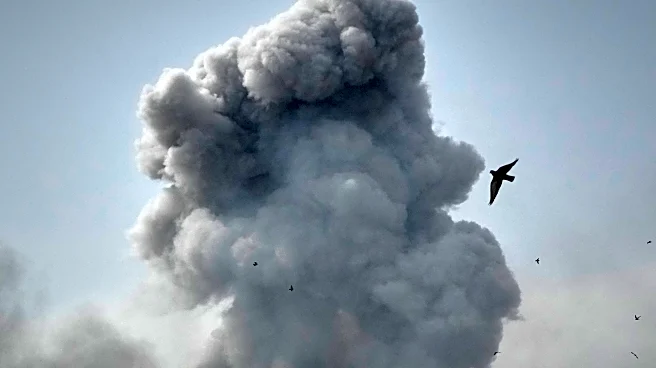
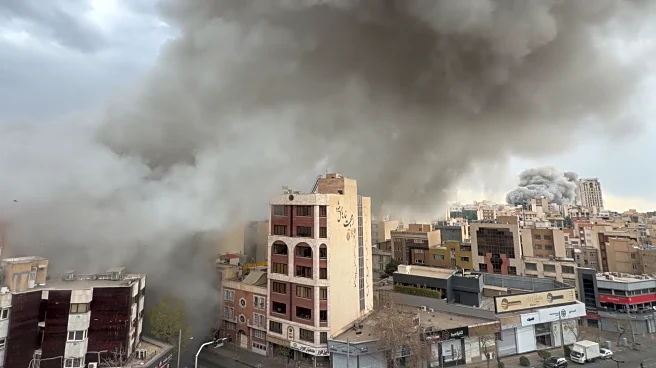
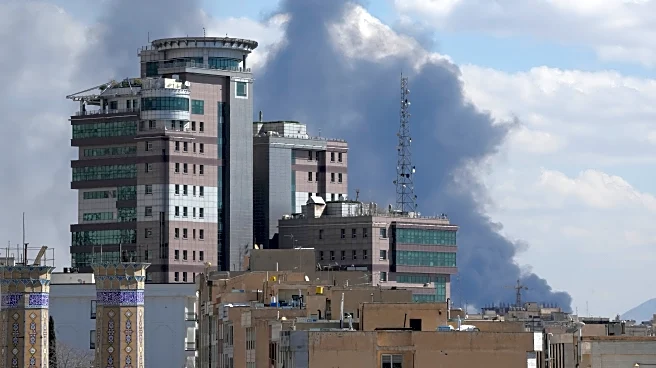
Recent Iranian missile and drone strikes have targeted key locations in Dubai, including the international airport, a port, and the Burj Al Arab hotel. These attacks resulted in the deaths of three individuals and injuries to dozens more. The strikes have disrupted
the perception of Dubai as a stable and secure business hub in the Middle East, a reputation it has cultivated over decades. The United Arab Emirates' National Emergency Crisis and Disaster Management Authority has stated that the situation is under control, but the psychological impact on the city's image as a safe haven for international business is significant. The UAE's stock market has remained closed for two days following the attacks, reflecting the heightened tension in the region.
Why It's Important?
Dubai's economy is heavily reliant on sectors such as trade, tourism, luxury real estate, and financial services, with oil contributing less than 2% to its GDP. The city's transformation into a global business hub has been driven by its image as a stable and secure environment, attracting investors, tourists, and expatriates. The recent attacks threaten this economic model, as the perception of safety is crucial for maintaining investor confidence and business operations. The longer the conflict involving Iran persists, the more likely businesses and expatriates may seek alternatives, potentially impacting Dubai's economic growth and stability.
What's Next?
The immediate future for Dubai involves managing the aftermath of the attacks and addressing the concerns of businesses and expatriates about safety and stability. The UAE government will likely focus on reinforcing security measures and reassuring the international community of Dubai's resilience. However, if tensions in the region continue to escalate or persist for an extended period, Dubai may face challenges in maintaining its status as a premier business destination. Businesses may begin to reconsider their presence in the city, and the government may need to implement strategies to mitigate the economic impact.
Beyond the Headlines
The attacks on Dubai highlight the broader geopolitical tensions in the Middle East and their potential to disrupt economic stability in the region. Dubai's rise as a business hub was partly due to instability in other parts of the Middle East, such as Beirut and Bahrain. The current situation underscores the vulnerability of even the most stable cities to regional conflicts. In the long term, Dubai may need to diversify its economic model further and strengthen its crisis management strategies to withstand similar challenges in the future.