
What's Happening?
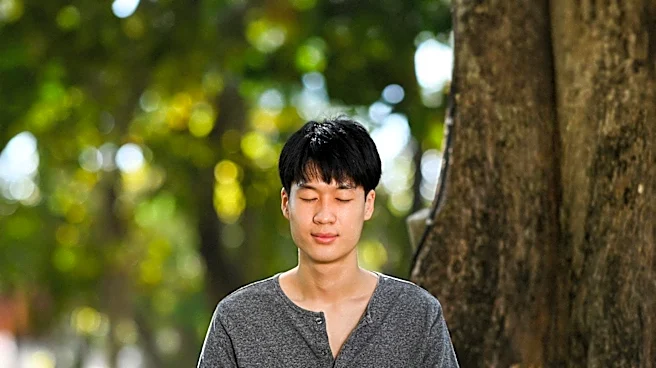
Mindfulness, defined as paying attention to the present moment without judgment, is being promoted as a valuable tool for teenagers to manage stress and improve emotional regulation. According to Erica
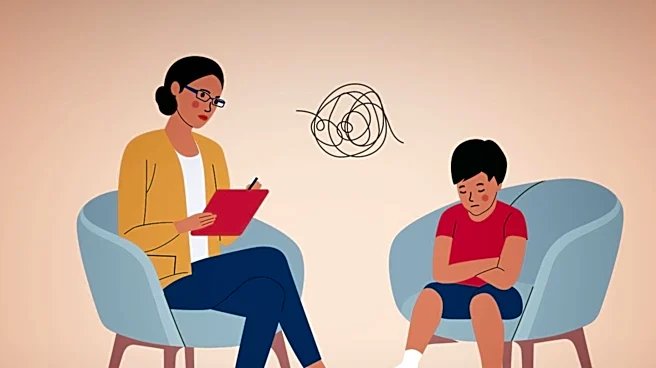
Sugiyama-Hill, a therapist at Banner Health, today's teens face unique pressures from school, social expectations, constant technology use, and the lingering effects of the pandemic, leading to increased stress and emotional fatigue. Mindfulness helps teens create a space between themselves and their stress, fostering benefits such as better emotional regulation, reduced anxiety, greater self-awareness, and stronger self-esteem. Parents are encouraged to introduce mindfulness without making it feel forced, modeling healthy coping skills and exploring techniques together. Simple practices like box breathing and grounding exercises (e.g., the 5-4-3-2-1 method) can be integrated into daily routines. While mindfulness is beneficial, it is not a substitute for professional care for ongoing mental health issues.
Why It's Important?
The integration of mindfulness techniques into adolescent stress management is crucial for addressing the growing mental health challenges faced by U.S. teenagers. The pressures from academic demands, social media, and the post-pandemic environment contribute to high levels of anxiety and stress among this demographic. By equipping teens with mindfulness skills, healthcare providers and parents can empower them to develop healthier coping mechanisms, potentially reducing the long-term impact of chronic stress on their well-being. Improved emotional regulation and self-awareness can lead to better academic performance, healthier social interactions, and a stronger sense of self-worth. This approach emphasizes proactive mental health support, aiming to build resilience and prevent more severe mental health conditions, thereby reducing the burden on the healthcare system and fostering a more emotionally stable generation.
What's Next?
The continued promotion and integration of mindfulness practices into educational and family settings are expected. Healthcare providers and mental health professionals may increasingly recommend these techniques as part of a holistic approach to adolescent well-being. Parents are encouraged to continue modeling mindful behaviors and exploring various coping strategies with their teens, recognizing that not all techniques work for everyone. Further research may focus on tailoring mindfulness programs to specific adolescent needs and evaluating their long-term effectiveness in diverse populations. There will likely be an ongoing emphasis on distinguishing between general stress management through mindfulness and the need for professional intervention for more severe mental health concerns, ensuring that teens receive appropriate care when mindfulness alone is insufficient.
Beyond the Headlines
The emphasis on mindfulness for teens reflects a broader societal shift towards recognizing and addressing mental health proactively, particularly in younger populations. This movement challenges traditional views that often stigmatized mental health struggles, instead promoting self-awareness and emotional intelligence as essential life skills. The rise of technology and social media has created unprecedented challenges for adolescent mental health, making tools like mindfulness critical for navigating a constantly connected world. This approach also highlights the evolving role of parents, moving beyond problem-solving to fostering emotional resilience and open communication. Ultimately, integrating mindfulness into daily life for teens could contribute to a more emotionally literate and resilient society, capable of better managing the complexities of modern life.