


What's Happening?
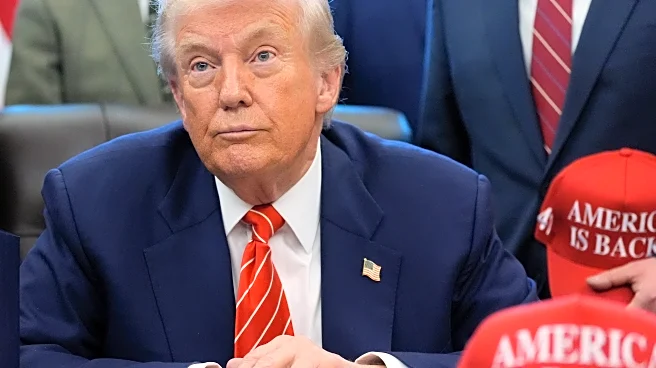
Several countries have responded to President Trump's invitation to join the Board of Peace, a group initially formed to oversee the Gaza ceasefire plan. The board's scope has expanded to include conflict mediation, with about 30 countries expected to join.
Nations such as Argentina, Bahrain, and Saudi Arabia have accepted the invitation, while European countries like France and Sweden have declined. Many countries, including Britain and China, remain undecided. The initiative reflects Trump's broader foreign policy ambitions and efforts to engage international partners in peacekeeping efforts.
Why It's Important?
The Board of Peace initiative represents a significant aspect of President Trump's foreign policy strategy, aiming to position the U.S. as a leader in global conflict resolution. The participation of various countries could enhance diplomatic relations and foster international cooperation. However, the reluctance of some European nations to join highlights potential challenges in achieving consensus and underscores geopolitical tensions. The board's effectiveness in mediating conflicts and its impact on global peace efforts will be closely monitored by international stakeholders.
What's Next?
The Trump administration may continue to engage with undecided countries to secure their participation in the Board of Peace. The board's activities and its role in conflict mediation will likely evolve, with potential implications for international diplomacy and peacekeeping efforts. The administration's ability to navigate geopolitical dynamics and foster collaboration among diverse nations will be crucial in determining the board's success and influence on global peace initiatives.