

What's Happening?
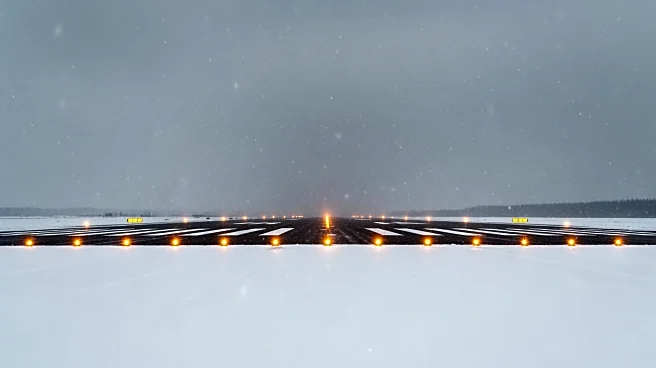
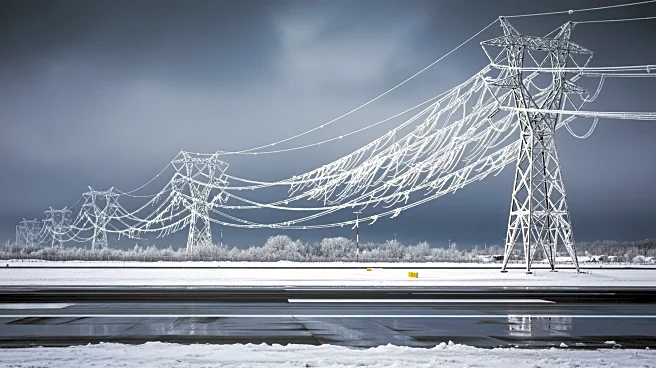
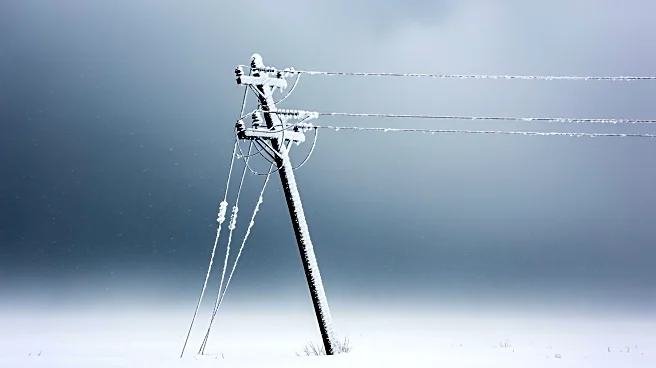
A powerful winter storm has left over 380,000 homes and businesses without power across the northeastern United States. The storm has also caused significant travel disruptions, with more than 2,000 flights canceled and 600 delayed as of Tuesday morning.
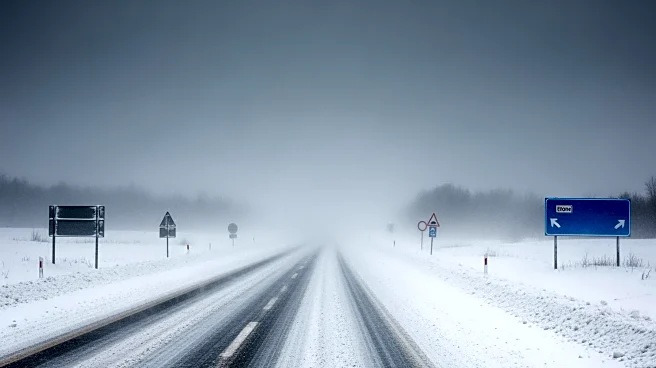
Massachusetts was particularly hard-hit, with Eversource Energy reporting over 229,000 customers without power. The storm brought heavy snow, strong winds, and near-zero visibility, creating hazardous conditions. JetBlue Airways experienced the highest number of flight cancellations, with 41% of its scheduled flights scrapped. The National Weather Service expects the storm to move away by Tuesday evening, though strong winds may persist.
Why It's Important?
The storm's impact on power and transportation infrastructure highlights the vulnerability of the northeastern U.S. to severe weather events. The widespread power outages affect daily life and business operations, posing challenges for utility companies and emergency services. The travel disruptions have economic implications, affecting airlines, passengers, and related industries. The situation underscores the need for robust emergency preparedness and response strategies to mitigate the effects of extreme weather. The storm also raises awareness of the importance of infrastructure resilience and the need for investment in modernization and maintenance.
What's Next?
As the storm moves away, efforts to restore power and resume normal operations are underway. Utility companies are working to repair damaged infrastructure and restore service to affected customers. Airlines are adjusting schedules and working to accommodate displaced passengers. Authorities are monitoring weather conditions for potential additional disruptions. The situation requires ongoing coordination and communication among stakeholders to ensure a swift recovery and minimize the storm's impact.