




What's Happening?
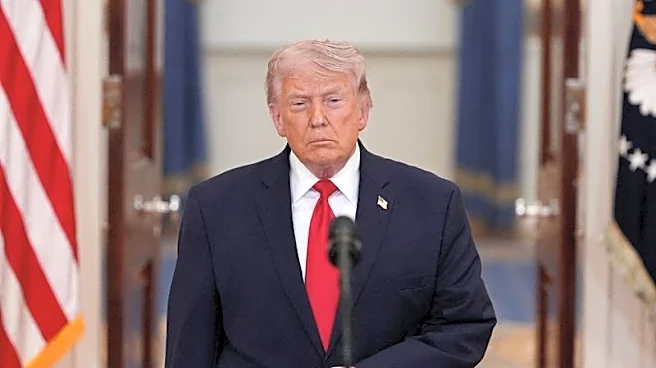
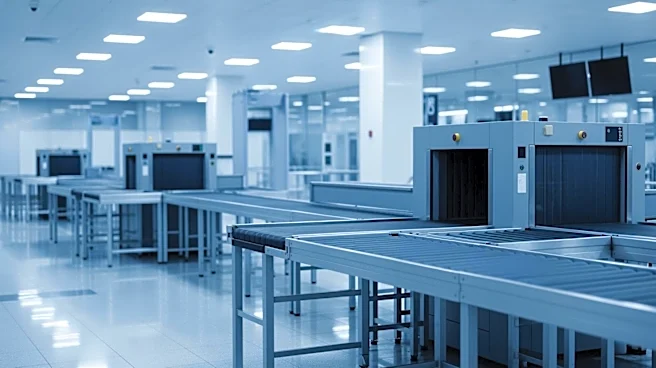
Industry and government representatives are opposing President Trump's proposal to mandate the privatization of airport screening at smaller airports. The plan aims to expand the Screening Partnership Program (SPP), which currently includes just over 20
airports, to hundreds more. The proposal suggests that privatization could lead to job cuts for approximately 4,500 TSA employees and reallocates resources to improve efficiency. The White House argues that privatization would save $52 million, despite requiring an additional $477 million to encourage more airports to join the SPP. Critics, including former Governor Chris Sununu and Chris McLaughlin, CEO of Dallas Fort Worth International Airport, argue that airports should retain the flexibility to choose whether to participate in the program. They express concerns that mandatory privatization could lead to worse outcomes for travelers and TSA personnel.
Why It's Important?
The push for privatization of airport screening has significant implications for the U.S. aviation industry and TSA employees. If implemented, the plan could lead to substantial job losses and affect the working conditions of TSA staff, who may lose collective bargaining rights. The proposal also raises concerns about the effectiveness and safety of privatized screening, as historical records from the pre-9/11 era suggest potential pitfalls. The debate highlights a broader discussion on the balance between cost savings and maintaining security standards. The outcome of this proposal could set a precedent for how airport security is managed in the future, impacting both the aviation industry and public safety.
What's Next?
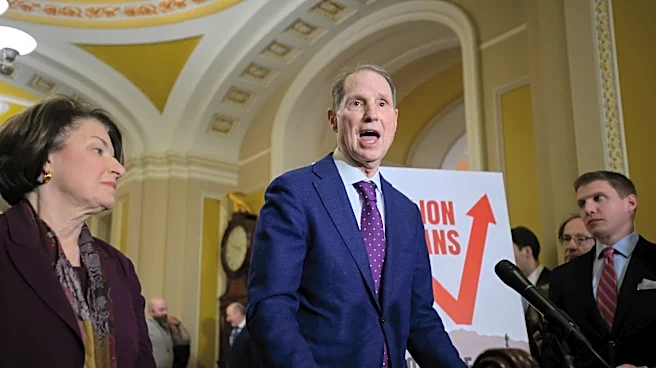
The proposal is currently under discussion in Congress, with most Democrats opposing mandatory privatization due to potential negative impacts on travelers and TSA personnel. Meanwhile, some Republicans support the plan, citing examples of cities like San Francisco that have implemented or are considering the SPP. The administration has also introduced TSA Gold Plus, a program that allows private sector investment in screening technology and staffing while maintaining federal oversight. The ongoing debate will likely continue as stakeholders from various sectors weigh in on the potential benefits and drawbacks of the proposed changes.