






What's Happening?
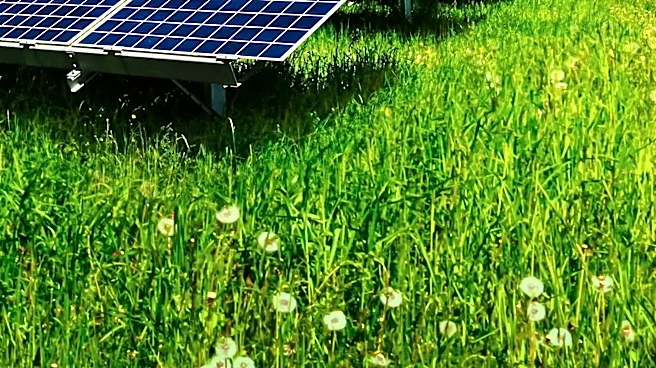
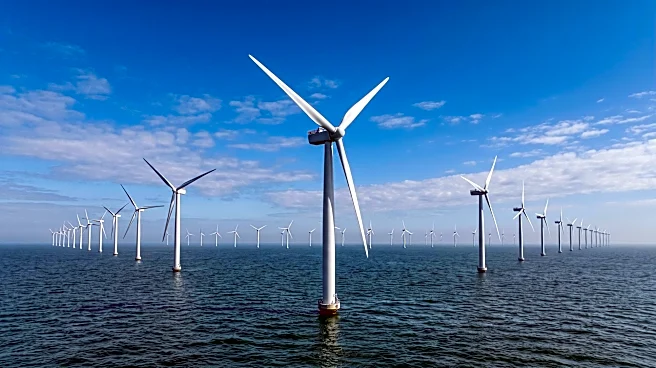
Rural electric cooperatives (co-ops) are set to play a significant role in the deployment of clean energy infrastructure across the United States. Despite serving only 15% of U.S. utility electricity sales in 2024, RMI analysis projects that 41% of the wind
and solar capacity expected to be built through 2035 will be located in areas served by these co-ops. These non-profit utilities, owned and governed by their members, are deeply embedded in many rural communities. The increasing demand for electricity in the U.S., with wind, solar, and storage projected to meet 93% of capacity additions in 2026, highlights the importance of these rural locations for new power plant development. However, these projects often face local pushback, as rural Americans tend to be more concerned about the local benefits and impacts of wind and solar projects compared to their urban and suburban counterparts. Co-ops are uniquely positioned to bridge this gap due to their technical expertise, local accountability, and established community relationships.
Why It's Important?
The involvement of rural electric co-ops is crucial for the successful and equitable expansion of clean energy across the U.S. Their ability to act as intermediaries between system-wide energy goals and local community priorities can help overcome resistance to new energy projects. By fostering local support and ensuring that development reflects community needs, co-ops can facilitate the integration of renewable energy while also generating economic benefits for rural areas through tax revenue, land lease payments, and employment wages. This approach can lead to more resilient, sustainable, and diversified rural economies. Furthermore, their role in potentially putting downward pressure on electricity rates for their members, by owning or purchasing power from these new projects, directly impacts the financial well-being of rural households and businesses. The success of these initiatives could serve as a model for other infrastructure developments in rural America, emphasizing the importance of local engagement and community-led solutions.
What's Next?
Rural electric co-ops are expected to continue leveraging their local relationships and technical knowledge to connect energy development with economic opportunities in their communities. This includes working with local governments, businesses, and landowners to maximize the benefits of clean energy projects. They will also likely increase their involvement in local planning processes, contributing their expertise to land-use and infrastructure decisions related to new energy facilities. Furthermore, co-ops are anticipated to enhance member engagement and education, building trust and ensuring that community priorities are reflected in energy development plans. Examples like the Newberry Electric Cooperative attracting a Samsung manufacturing facility in South Carolina, or the Shenandoah Valley Electric Cooperative participating in a Solar Ordinance Review Committee in Virginia, illustrate the diverse ways co-ops can guide future energy development. Their ongoing efforts will be critical in ensuring that the projected growth in wind and solar capacity translates into tangible benefits and widespread acceptance in rural America.
Beyond the Headlines
The expanded role of rural electric co-ops in clean energy development signifies a broader shift towards community-centric infrastructure planning. This approach acknowledges that successful large-scale projects require more than just technical feasibility and economic viability; they demand social license and local buy-in. The co-ops' model of member-governance and deep community roots positions them as trusted entities capable of navigating complex local concerns, such as environmental impact, land use, and economic equity. This could lead to a more decentralized and democratized energy system, where local communities have a greater say in how energy is produced and distributed. The ethical implications revolve around ensuring that the benefits of these projects are equitably distributed and that vulnerable rural populations are not disproportionately affected by development. Culturally, this reinforces the value of local institutions in addressing national challenges, potentially fostering a renewed sense of community empowerment and self-determination in rural areas.