






What's Happening?
Democratic Representative Steve Cohen of Tennessee has announced that he will not seek reelection for his seat in the state's ninth congressional district. This decision comes after the Tennessee legislature's recent redistricting efforts, which have
significantly altered the district's boundaries. Cohen, who has represented the Memphis area since 2007, expressed that the new districts do not resemble the majority African-American district he has served for nearly two decades. The redistricting, led by the GOP-dominated state legislature, has faced criticism for dividing the Memphis population into several Republican-leaning districts. Cohen, the first Jewish person elected to represent Tennessee in Congress, has been a prominent advocate for civil rights, having led efforts such as the passage of a resolution apologizing for slavery in the U.S.
Why It's Important?
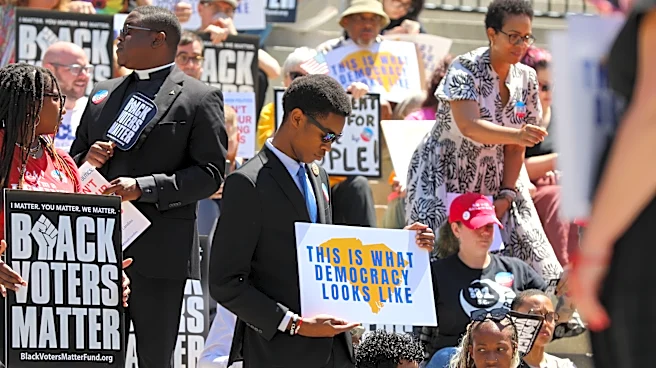
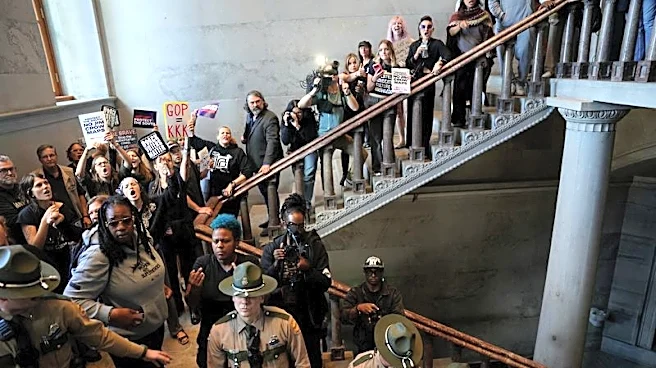
Cohen's decision to retire highlights the significant impact of redistricting on political representation, particularly in areas with large minority populations. The redistricting in Tennessee has sparked controversy and protests, as it potentially dilutes the voting power of African-American communities in Memphis. This move could shift the political landscape in Tennessee, reducing Democratic representation and potentially altering the focus on civil rights and social justice issues that Cohen championed. The broader implications of such redistricting efforts could influence national discussions on voting rights and electoral fairness, as similar strategies are employed in other states.
What's Next?
With Cohen stepping down, the focus will shift to the upcoming elections in the newly drawn districts. The changes may lead to increased Republican representation, affecting legislative priorities both in Tennessee and at the federal level. Civil rights groups and Democratic leaders may intensify efforts to challenge the redistricting legally or through voter mobilization campaigns. The outcome of these elections could serve as a bellwether for future redistricting battles across the United States, potentially prompting legislative or judicial interventions to address concerns of gerrymandering and minority voter suppression.