
What's Happening?
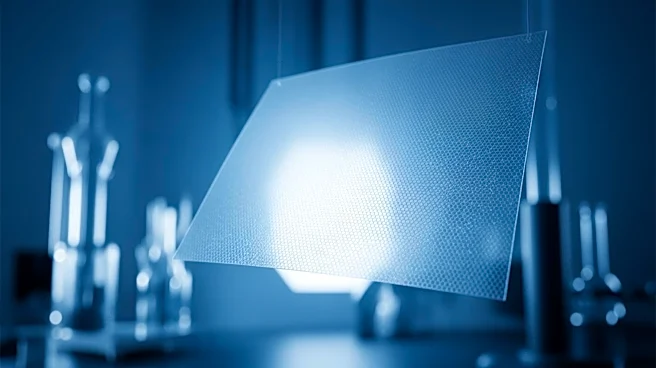
A team from ICMM-CSIC has developed a new membrane that significantly accelerates hydrogen purification, reducing processing time from three days to three hours. This breakthrough membrane increases permeability
by 800% and improves selectivity by 30%, addressing a major challenge in scaling hydrogen use. The membrane is produced using a mechanochemical synthesis method, which reduces the need for solvents and energy consumption. This innovation is particularly relevant for industries like petrochemicals, where hydrogen is widely used but requires careful purification. The development aligns with broader efforts in Europe to create cleaner hydrogen systems, including green hydrogen, where purification remains a necessary step before storage or use.
Why It's Important?
The advancement in hydrogen purification technology is crucial for industries that rely on efficient gas separation, such as petrochemicals. By significantly reducing processing time and improving efficiency, the new membrane could lower costs and environmental impact, making hydrogen a more viable energy source. This development supports the global shift towards sustainable energy solutions, particularly in Europe, where there is a strong focus on developing green hydrogen systems. The ability to purify hydrogen more quickly and precisely could accelerate the adoption of hydrogen as a clean energy source, contributing to efforts to reduce carbon emissions and combat climate change.
What's Next?
The new membrane technology is expected to be integrated into industrial applications, particularly in sectors that require efficient hydrogen purification. As industries seek to reduce their environmental footprint, the adoption of this technology could lead to increased investment in hydrogen infrastructure and research. Stakeholders in the energy sector may explore further innovations to enhance hydrogen production and storage, potentially leading to collaborations between research institutions and industry leaders. The success of this membrane could also inspire similar advancements in other areas of gas separation technology.
Beyond the Headlines
The development of this membrane highlights the importance of innovation in achieving sustainable energy goals. By reducing the synthesis time and minimizing hazardous waste, the technology addresses both economic and environmental concerns. This breakthrough could influence policy decisions regarding energy production and consumption, encouraging governments to support research and development in clean energy technologies. Additionally, the focus on green hydrogen systems reflects a growing commitment to transitioning away from fossil fuels and towards renewable energy sources.