
What's Happening?
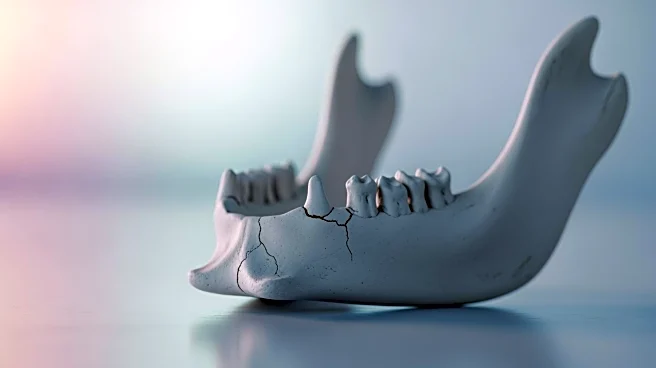
A 25-year-old woman from Austin, Texas, named Faith Belen, has been dealing with a severe jaw disorder that has significantly impacted her life. In June 2025, Belen began experiencing an inability to chew
food, as her jaw would remain wide open and refuse to close. This condition, later diagnosed as oromandibular and cervical dystonia, caused her to lose around 30 pounds due to the difficulty in eating. Despite the challenges, Belen has found some relief through treatments like Klonopin, acupuncture, and Botox, which help manage her symptoms. She has shared her journey on TikTok, where her videos have gone viral, garnering millions of views and supportive comments.
Why It's Important?
Belen's story highlights the challenges faced by individuals with rare neurological disorders and the impact such conditions can have on daily life and mental health. Her experience underscores the importance of awareness and support for those with similar conditions. The viral response to her TikTok videos demonstrates the power of social media in creating communities of support and raising awareness about lesser-known health issues. This case also emphasizes the need for continued research and development of effective treatments for neurological disorders, which can significantly improve the quality of life for affected individuals.
What's Next?
Belen continues to manage her condition with current treatments, but she may need to consider surgery, such as deep brain stimulation, if these options cease to be effective. Her ongoing documentation of her journey on social media may continue to inspire and support others facing similar challenges. Additionally, her story could prompt further discussions and research into neurological disorders, potentially leading to advancements in treatment options and support systems for those affected.
Beyond the Headlines
Belen's experience sheds light on the psychological and social aspects of living with a visible and debilitating condition. The initial negative impact on her self-esteem and social interactions highlights the broader implications of such disorders on mental health. Her decision to share her story publicly has not only provided her with a sense of empowerment but also contributed to a broader understanding and acceptance of neurological disorders. This case illustrates the potential for social media to serve as a platform for advocacy and education, fostering a more inclusive and informed society.