





What's Happening?
The health supports and braces category is undergoing significant transformation due to technological advancements, improved materials, and innovative support methods. Manufacturers are continuously developing new products to meet the demands of an aging
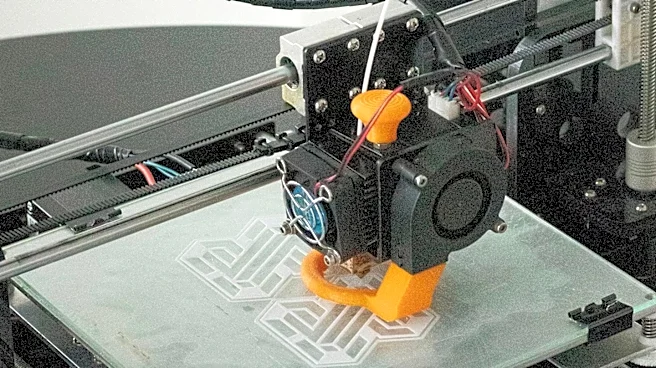
population, shifting from passive immobilization to more intelligent, dynamic, and personalized aids. Key trends include the development of 'smart braces' for knees, ankles, and backs, which track movement in real-time and provide feedback through connected devices. These smart braces incorporate strategically placed sensors that transmit data to medical teams via cloud services, enabling tailored rehabilitation protocols. Additionally, there are advancements in performance fabrics that are soft, breathable, moisture-wicking, and offer four-way stretch for enhanced fit and flexibility. Innovations in comfort bands with silicone beading reduce slipping, and many compression sleeves now feature a 'no cut-out design' to prevent chafing. New support methods like cable and dial technology are gaining popularity, offering even pressure distribution and precise adjustability without bulky straps. Furthermore, 3D-printed customization is emerging, creating personalized braces tailored to individual anatomy using breathable composite materials, which improves fit, reduces weight, and increases compliance.
Why It's Important?
These innovations are crucial for the U.S. healthcare industry and an aging population, as they promise to enhance patient outcomes and quality of life. Smart braces, by providing real-time movement tracking and feedback, can significantly improve the rehabilitation process, making it more efficient and effective for clinicians and physical therapists. This data-driven approach allows for personalized care plans, potentially reducing recovery times and preventing further injuries. The improved materials and designs address common complaints of discomfort and poor fit, which often lead to non-compliance with brace usage. By making health supports more comfortable and user-friendly, these advancements can increase patient adherence to treatment regimens. The introduction of 3D-printed customized braces represents a significant leap towards truly personalized medicine, offering superior fit and comfort compared to off-the-shelf options, although at a higher cost. These developments are poised to reshape the market for health supports, driving growth and innovation while offering substantial benefits to patients and healthcare providers alike.
What's Next?
The trajectory for health supports and braces points towards continued integration of technology and personalization. Manufacturers will likely further refine smart brace capabilities, potentially incorporating more sophisticated sensors and AI-driven analytics for even more precise movement tracking and predictive insights. The cost of 3D-printed customization, currently between $1,800 and $2,100 out-of-pocket, may decrease as the technology becomes more widespread and efficient, making personalized braces more accessible. We can expect to see greater adoption of these advanced products in both online retail and medical settings, with clinicians and physical therapists increasingly relying on the data provided by smart devices to optimize patient care. The retail sector, particularly pharmacies and health supply stores, will need to adapt by incorporating these technologically advanced products into their offerings to remain competitive and meet evolving consumer demands. Further research and development will likely focus on creating even lighter, more durable, and more aesthetically pleasing materials, alongside exploring new ways to integrate connectivity and data sharing for a seamless patient experience.
Beyond the Headlines
Beyond the immediate benefits of improved patient care, these advancements in health supports and braces hint at broader shifts in healthcare and consumer technology. The increasing reliance on data collection through wearable medical devices raises important questions about data privacy and security, as sensitive patient information is transmitted via cloud services. Ethical considerations regarding equitable access to these advanced, potentially more expensive, personalized solutions will also come to the forefront, ensuring that technological progress benefits all segments of the population. Furthermore, the trend towards 'smart' textiles and personalized manufacturing could extend beyond medical devices into everyday apparel, creating a future where clothing actively monitors health and provides adaptive support. This convergence of fashion, technology, and healthcare could lead to entirely new industries and consumer expectations, blurring the lines between medical necessity and lifestyle enhancement. The emphasis on sustainability in textile production, as seen in the Rhenish Mining Area's focus on digitally intelligent textiles, suggests a future where advanced medical products are not only effective but also environmentally conscious.