


What's Happening?
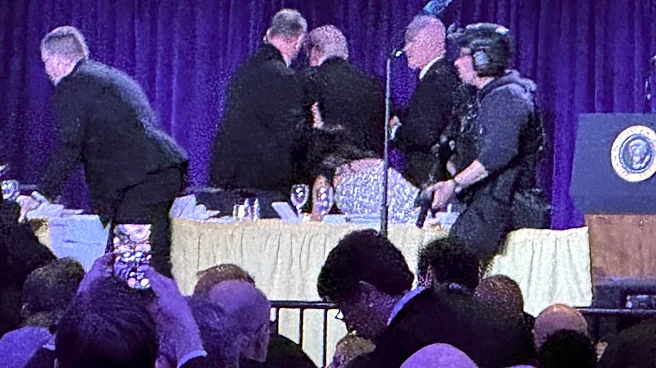
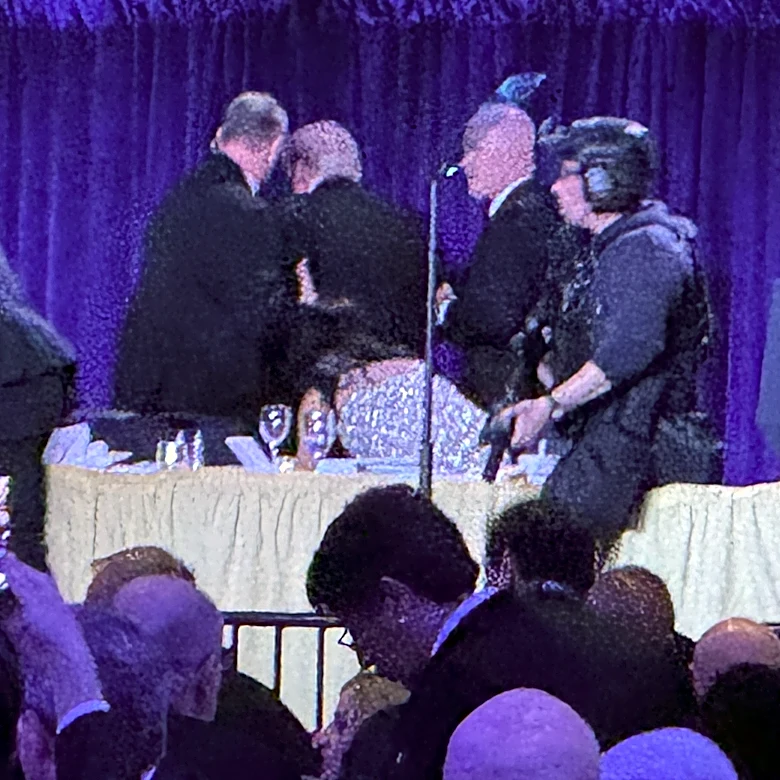
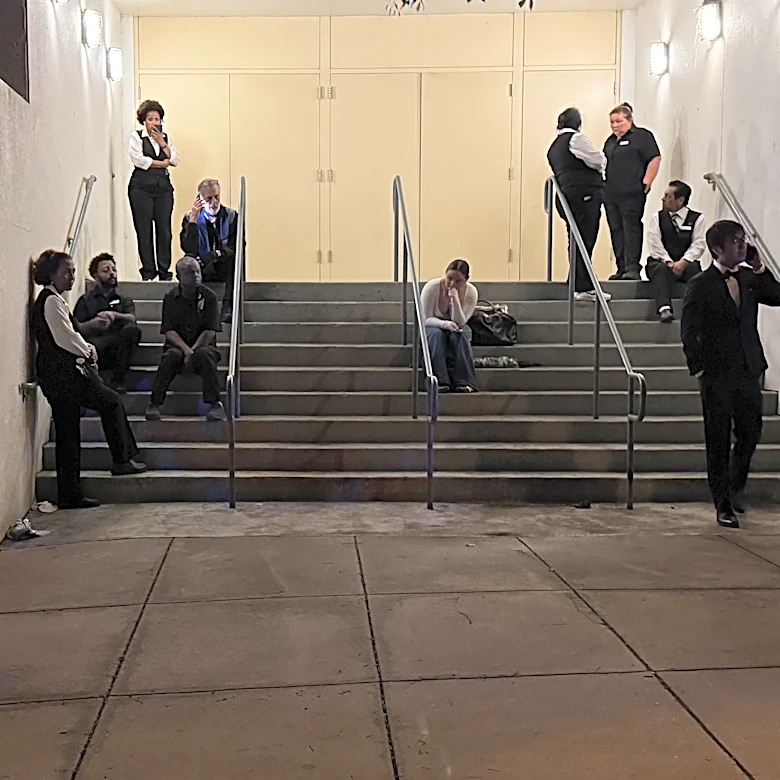
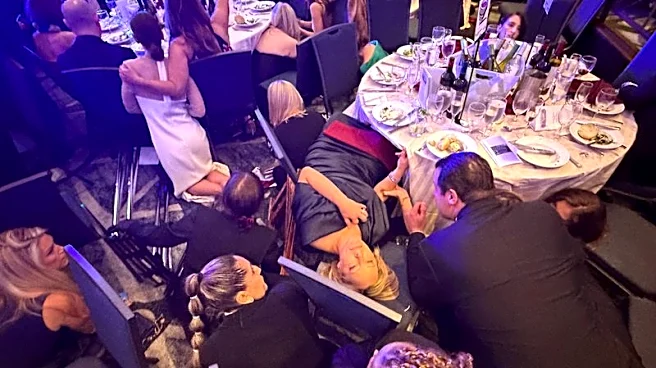
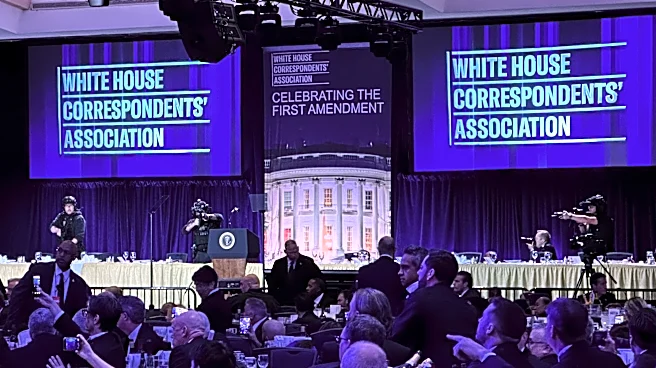
A shooting incident at the White House Correspondents' Dinner has sparked concerns about the security protocols for high-ranking government officials. During the event, a shooter breached security, prompting the Secret Service to evacuate President Donald
Trump, Vice President JD Vance, and other top officials. Although there were no fatalities or severe injuries, the incident has led to questions about the wisdom of having multiple figures in the presidential line of succession in one location. Representative Michael McCaul highlighted the potential risk, noting that the President, Vice President, and House Speaker were all present, which could have led to a significant crisis had an explosive device been used. The event has renewed scrutiny on the use of a designated survivor, a practice where an eligible official is kept at a secure location to ensure continuity of government in case of a catastrophe.
Why It's Important?
The incident underscores the importance of continuity planning in the U.S. government, particularly regarding the presidential line of succession. The presence of multiple successors at a single event increases the risk of a 'decapitation' scenario, where a significant portion of the government leadership could be incapacitated. This situation highlights the need for robust security measures and protocols to ensure that the government can continue to function in the event of an attack. The shooting has prompted discussions about whether current practices, such as the selection of a designated survivor, are sufficient for non-official events like the White House Correspondents' Dinner. The potential impact on public policy and national security is significant, as it may lead to changes in how government officials are protected during public appearances.
What's Next?
In response to the shooting, government officials may reassess the protocols for colocation of key leaders at public events. This could involve reviewing the criteria for selecting a designated survivor and considering whether such measures should be extended to non-official gatherings. The incident may also lead to increased security measures at future events involving high-ranking officials. Policymakers and security experts are likely to engage in discussions about balancing the need for public engagement with the necessity of ensuring the safety and continuity of government operations.