








What's Happening?
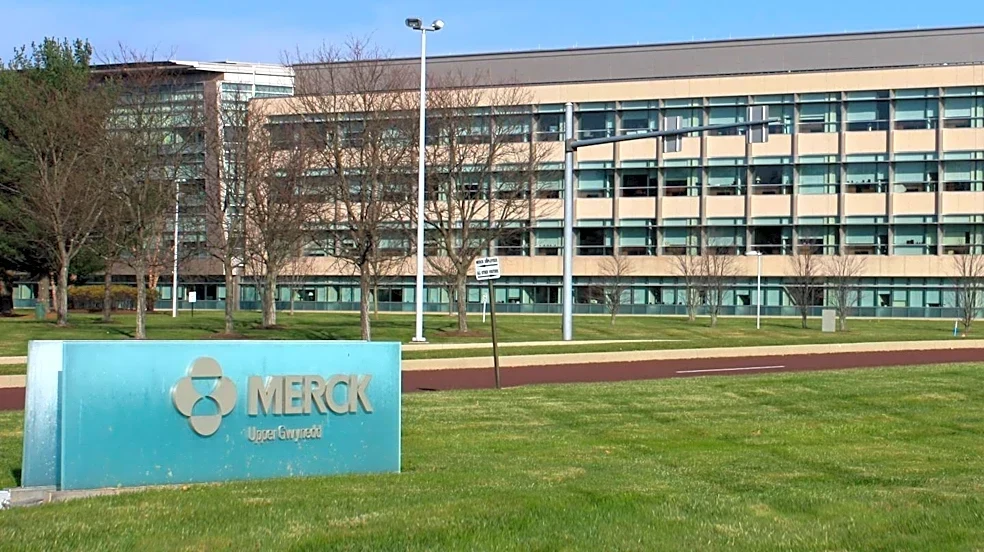
Merck and Moderna are preparing to submit their personalized mRNA melanoma vaccine, intismeran autogene, for FDA approval. This vaccine is designed to be administered alongside Merck's immunotherapy Keytruda to patients who have undergone surgical removal
of melanoma but face a high risk of cancer recurrence. While no specific filing date has been announced, this move follows positive results from a large Phase 3 trial conducted in August. The trial indicated that the combination therapy significantly delayed cancer recurrence and the spread of melanoma to distant organs. Unlike traditional vaccines, this personalized vaccine is created from a sample of each patient's tumor. An algorithm identifies up to 34 mutant proteins, known as neoantigens, present on the individual's cancer cells. The mRNA then instructs the immune system to recognize these specific proteins, while Keytruda enhances the immune system's ability to attack cancer cells. Adjuvant trials for this approach are also underway for lung, kidney, and bladder cancers, with smaller tests in pancreatic and gastric cancers.
Why It's Important?
The potential FDA approval of this personalized mRNA melanoma vaccine represents a significant advancement in cancer treatment, particularly for patients with high-risk melanoma. If approved, it would offer a new therapeutic option to reduce the likelihood of cancer recurrence after surgery, addressing a critical need for improved post-surgical care. This development could transform the treatment landscape for melanoma, a cancer known for its aggressive nature and potential for recurrence. The personalized nature of the vaccine, tailored to each patient's unique tumor, signifies a move towards more precise and effective oncology treatments. The success of this approach could also pave the way for similar mRNA-based therapies in other cancer types, potentially revolutionizing cancer care beyond melanoma. Furthermore, the collaboration between Merck and Moderna highlights the growing importance of partnerships in accelerating the development of innovative medical solutions, bringing advanced therapies closer to patients.
What's Next?
Merck and Moderna plan to present the full data from their Phase 3 INTerpath-001 trial at an international medical meeting and will work with regulatory bodies on their submission. The FDA review process will determine the vaccine's approval, which will then dictate its availability to patients. If approved, initial eligibility will likely be for adults with high-risk melanoma (stage IIB through IV) whose tumors have been completely removed. Key factors to be addressed include the vaccine's cost, insurance coverage, and the logistical challenges of personalized manufacturing, which involves tumor sequencing and custom production for each patient. These elements could influence accessibility, particularly for patients in rural areas who may face travel barriers to specialized cancer centers. The companies have not yet released detailed effect sizes, and the results have not been peer-reviewed, which will be crucial steps before broader medical community acceptance and integration into treatment guidelines.
Beyond the Headlines
The development of a personalized mRNA melanoma vaccine signifies a deeper shift in medical philosophy towards highly individualized treatments. This approach moves beyond one-size-fits-all therapies, leveraging advanced genomic sequencing and mRNA technology to target the unique molecular profile of each patient's cancer. This could lead to a paradigm shift in how cancer is treated, emphasizing precision medicine and potentially improving outcomes for patients who do not respond to conventional treatments. Ethical considerations around data privacy, especially with the use of individual tumor samples and genetic information, will become increasingly important. The economic implications are also substantial, as personalized vaccines may entail higher production costs and complex supply chains, raising questions about equitable access and affordability. This innovation also underscores the rapid evolution of mRNA technology beyond infectious diseases, demonstrating its versatility and potential to address a wide range of medical challenges, including complex diseases like cancer.