






What's Happening?
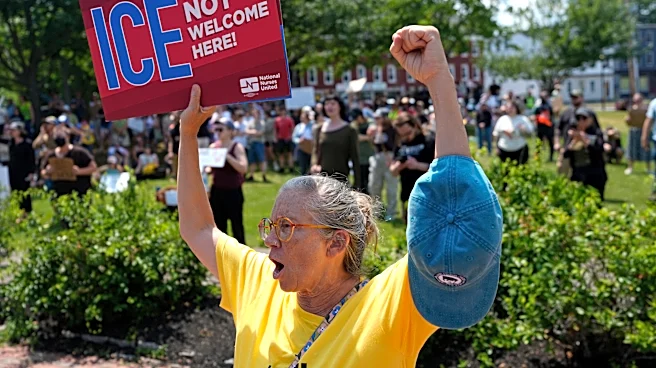
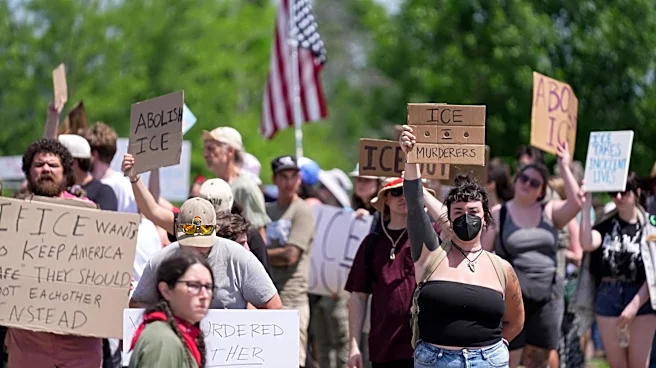
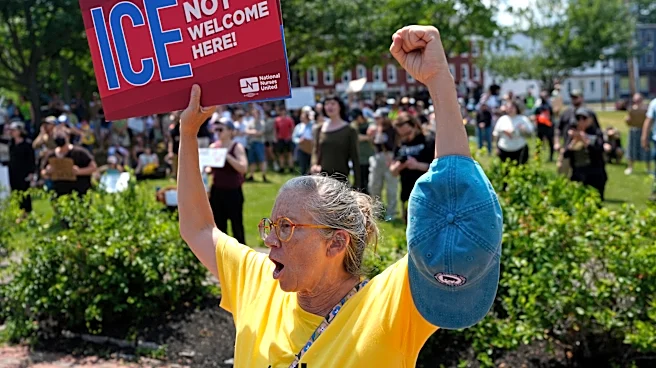
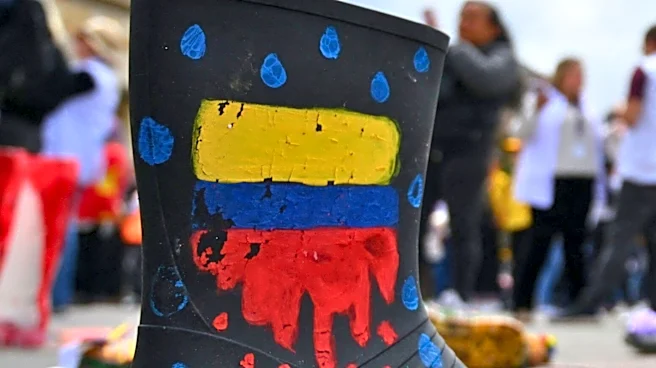
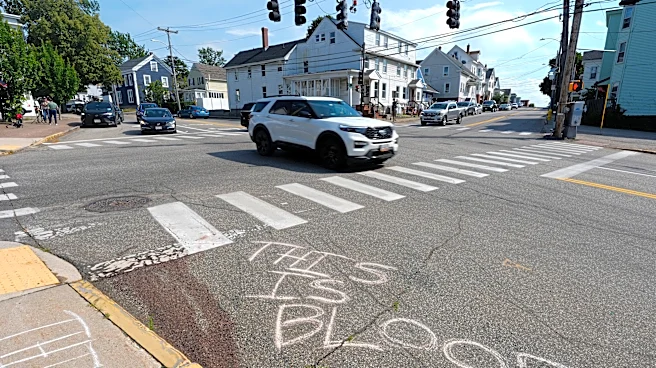
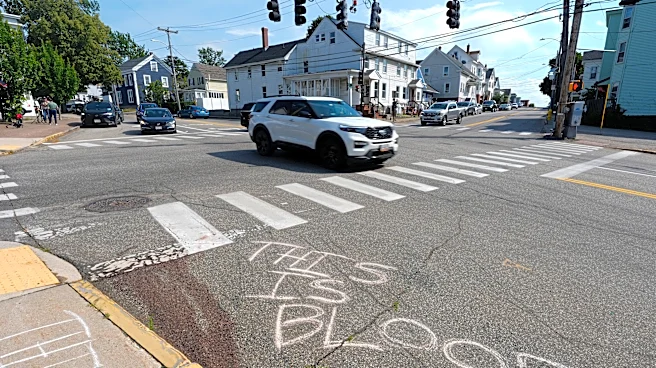
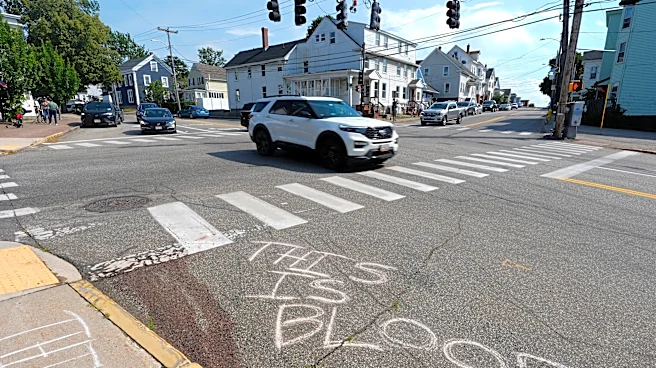
Residents in Maine have organized protests following an incident where an ICE agent fatally shot a Colombian national during an immigration enforcement operation in Biddeford. According to ICE, the shooting occurred when the vehicle involved 'attempted
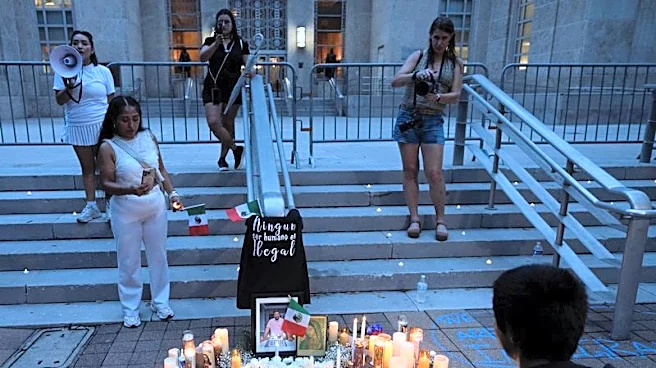
to flee the scene,' prompting the officer to discharge his weapon out of concern for public safety. The driver was struck, but ICE has not provided further details on why the officer perceived a threat. This incident follows a similar case in Texas where federal agents used deadly force against a migrant during a traffic stop.
Why It's Important?
The protest in Maine highlights ongoing tensions surrounding immigration enforcement practices in the United States. The use of deadly force by ICE agents raises questions about the protocols and accountability measures in place for such operations. This incident could influence public opinion and policy discussions regarding immigration enforcement and the rights of migrants. It also underscores the broader national debate on the balance between security and human rights, potentially impacting future legislative and administrative actions.
What's Next?
In response to the protests, there may be calls for an independent investigation into the shooting to ensure transparency and accountability. This could lead to policy reviews or changes in ICE's operational procedures. Additionally, advocacy groups and civil rights organizations might increase their efforts to push for reforms in immigration enforcement practices. The incident could also prompt discussions at the federal level about the oversight and training of ICE agents to prevent similar occurrences in the future.
Beyond the Headlines
The incident in Maine reflects deeper issues related to immigration policy and enforcement in the U.S. It raises ethical questions about the use of force and the treatment of migrants, which could influence public discourse and policy-making. The protests also highlight the role of community activism in shaping the narrative and response to such incidents, potentially leading to broader social and political movements advocating for change.