







What's Happening?
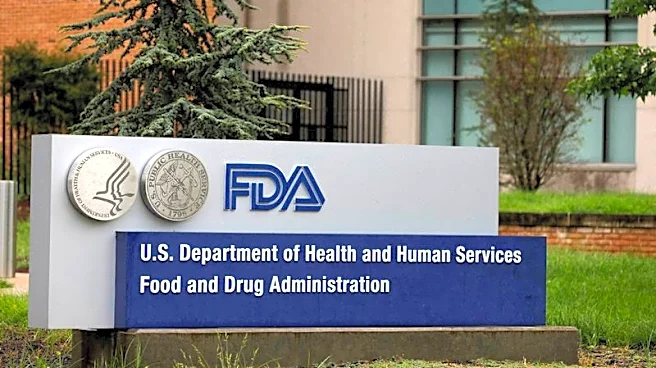
The Food and Drug Administration (FDA) has issued warnings concerning misleading advertisements for compounded weight-loss drugs. This action aims to inform the public about the potential risks associated with unproven and unapproved products. Specifically,
compounded semaglutide, a drug often marketed for weight loss, has not received FDA approval. The agency highlights that these compounded versions carry higher safety uncertainties compared to their brand-name counterparts. This is primarily due to a lack of standardized testing and regulatory oversight for compounded medications. The FDA's announcement underscores its commitment to public health and safety by addressing the proliferation of unapproved drug claims, particularly in the rapidly expanding market for weight-loss treatments. The warnings are a direct response to the growing availability and promotion of these products, which may not meet the same rigorous safety and efficacy standards as FDA-approved drugs.
Why It's Important?
This FDA warning is crucial for public health, as it directly addresses the risks consumers face when considering compounded weight-loss drugs. The lack of FDA approval for compounded semaglutide means these products have not undergone the stringent testing required to ensure their safety, efficacy, and quality. This can lead to unpredictable side effects, inconsistent dosages, and potentially harmful contaminants, putting consumers at significant risk. For the pharmaceutical industry, this action reinforces the importance of regulatory compliance and the distinction between approved and unapproved medications. It also highlights the challenges regulatory bodies face in monitoring and controlling the marketing of compounded drugs. The warnings could influence consumer behavior, encouraging them to seek FDA-approved treatments and consult healthcare professionals about legitimate weight-loss options, thereby impacting the market for both approved and unapproved products.
What's Next?
Following these warnings, the FDA is expected to continue its surveillance of the market for compounded drugs, particularly those making unsubstantiated health claims. Consumers should anticipate increased public awareness campaigns from the FDA and other health organizations, advising caution against unapproved weight-loss treatments. Healthcare providers will likely be encouraged to educate their patients about the risks of compounded semaglutide and to prescribe only FDA-approved medications. Manufacturers and marketers of compounded drugs may face stricter scrutiny and potential enforcement actions if they continue to make misleading claims or operate outside regulatory guidelines. This could lead to a reduction in the availability of unapproved compounded semaglutide and a shift in consumer demand towards regulated and tested alternatives. The long-term impact could include a more informed public and a more regulated market for weight-loss medications.
Beyond the Headlines
The FDA's intervention sheds light on the broader issue of regulatory gaps and the rapid evolution of the pharmaceutical landscape, particularly with the rise of compounded medications. While compounding pharmacies serve a vital role in customizing medications for individual patient needs, the proliferation of compounded versions of popular drugs, especially for conditions like weight loss, raises ethical and safety concerns. This situation highlights the tension between personalized medicine and the need for standardized regulatory oversight. It also underscores the influence of social media and direct-to-consumer advertising in promoting products that may lack scientific validation. The FDA's actions could prompt a re-evaluation of existing regulations governing compounded drugs, potentially leading to stricter guidelines to ensure patient safety without stifling innovation in personalized medicine. This ongoing challenge requires a delicate balance between accessibility, customization, and rigorous safety standards.