






What's Happening?
NASA's ongoing research has highlighted the significant impact of air pollution on global health and climate. According to recent findings, outdoor air pollution is responsible for approximately 4 million premature deaths annually, with an additional
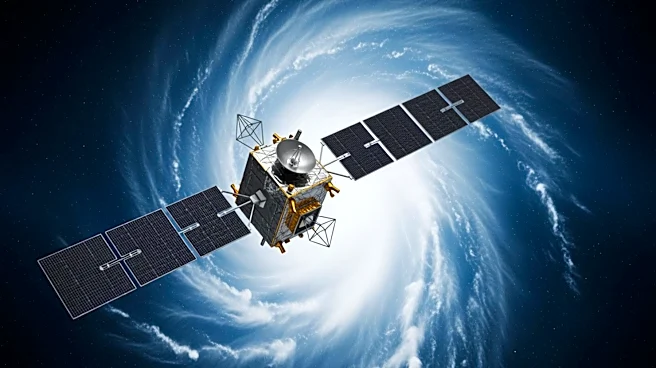
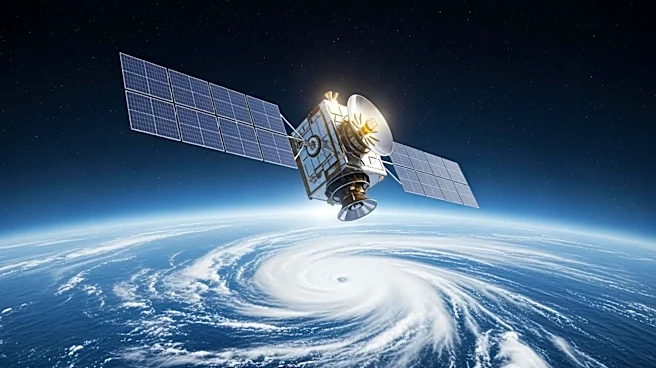
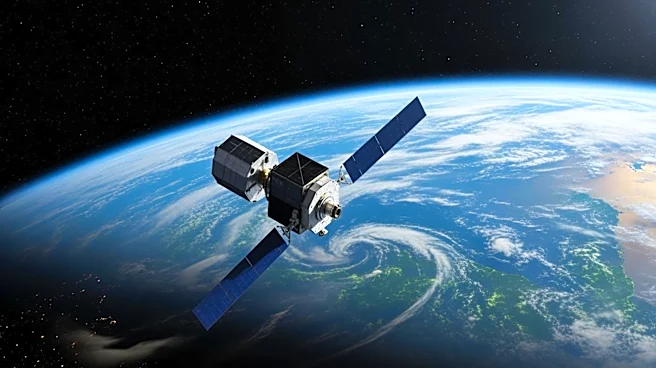
3-4 million deaths attributed to indoor air pollution. This accounts for about one in nine deaths worldwide. NASA satellites have been instrumental in tracking changes in pollutants such as ozone, nitrogen dioxide, and particulate matter, which are closely linked to fossil fuel usage, emission control effectiveness, wildfire distribution, and economic fluctuations. The increase in climate gases like methane and carbon dioxide due to human activities is also having a profound effect on Earth's climate. NASA's atmospheric models utilize these observations to better understand the impact of trace gas emissions on air pollution and climate change, aiding policymakers in designing effective mitigation strategies.
Why It's Important?
The findings from NASA's research underscore the critical role of air pollution in global health and climate change. With air pollution contributing to millions of premature deaths annually, the data highlights the urgent need for effective emission control measures and policies aimed at reducing fossil fuel dependency. The research also emphasizes the importance of satellite data in providing comprehensive insights into atmospheric changes, which are crucial for developing strategies to combat climate change. The ability to track and model these changes helps policymakers make informed decisions that could lead to significant improvements in public health and environmental sustainability.