






What's Happening?
Scientists have identified a protein called CIRBP in bowhead whales that could potentially extend human lifespan and reduce cancer risk. The research, conducted by a team from the University of Rochester and published in the journal Nature, highlights
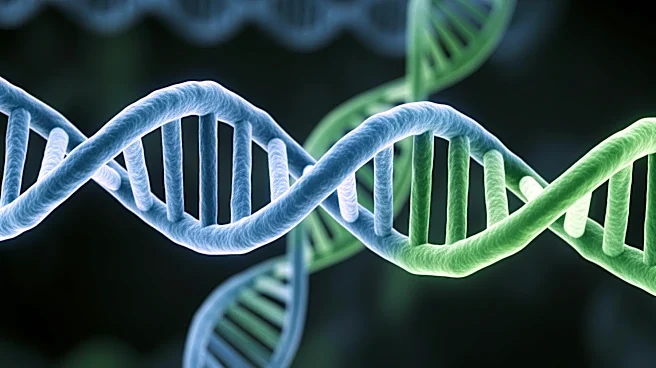
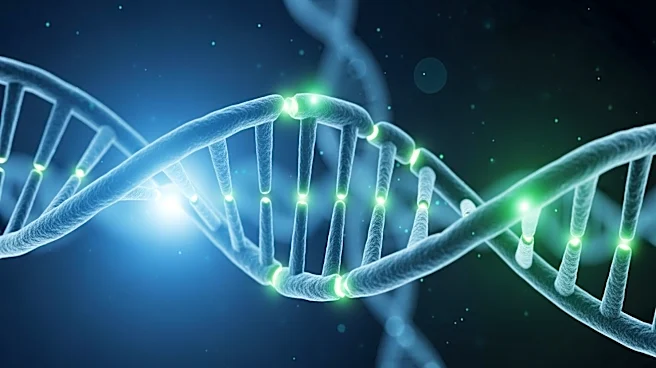
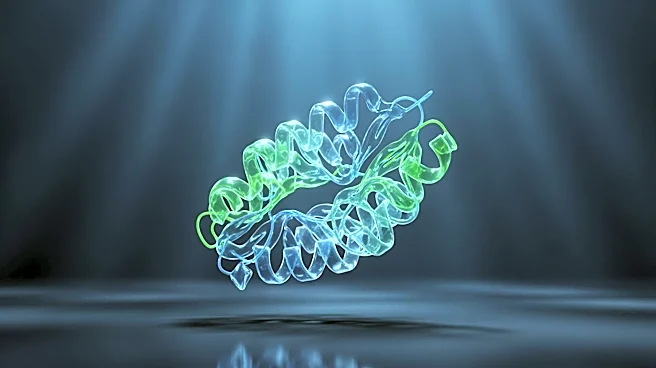
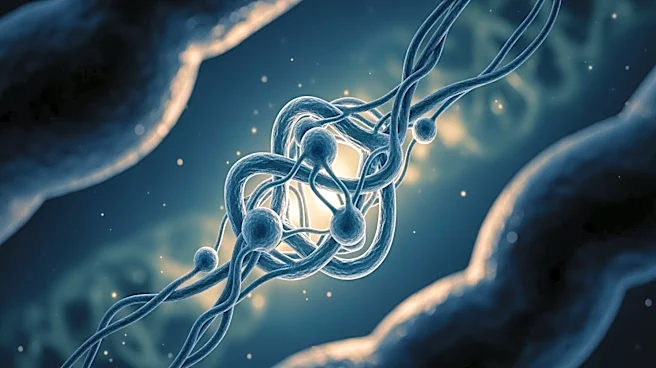
the role of CIRBP in repairing double-strand DNA breaks, a type of genetic damage linked to aging and disease. Bowhead whales, known for their longevity and low cancer rates, exhibit high levels of this protein, which appears to protect their cells from accumulating oncogenic hits. The study suggests that enhancing CIRBP levels in humans could improve genome maintenance and longevity.
Why It's Important?
The discovery of CIRBP's role in genome maintenance could have significant implications for human health and longevity. By understanding how bowhead whales naturally resist cancer and live longer, researchers may develop new strategies to enhance human healthspan. This could lead to breakthroughs in preventing age-related diseases and extending healthy human life. The potential to manipulate CIRBP levels in humans offers a promising avenue for medical research, potentially benefiting public health and reducing healthcare costs associated with aging populations.
What's Next?
Researchers are exploring ways to increase CIRBP levels in humans, either through laboratory methods or lifestyle changes such as exposure to cold temperatures. Further studies are needed to determine the feasibility and effectiveness of these approaches in humans. The scientific community will likely focus on understanding the mechanisms by which CIRBP operates and how it can be safely and effectively utilized in human medicine. This research could pave the way for new treatments aimed at enhancing DNA repair and longevity.
Beyond the Headlines
The study of CIRBP in bowhead whales not only advances our understanding of longevity but also raises ethical and philosophical questions about extending human life. As scientists explore the potential to significantly increase human lifespan, society must consider the implications for population growth, resource allocation, and quality of life. Additionally, the research highlights the importance of biodiversity and the potential for other species to offer insights into human health and disease prevention.