

What's Happening?
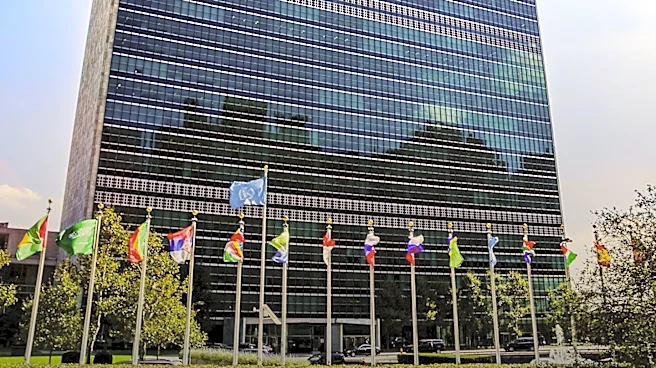
Eight of the world's largest shipping associations have urged the United Nations to oppose the imposition of tolls in the Strait of Hormuz. This comes amid reports that Iran and Oman are nearing a deal to manage the critical waterway. The shipping groups
argue that allowing authorities to charge vessels for transit would violate international norms and harm the global economy. They warn that such tolls would lead to higher energy prices, inflation, and economic uncertainty, ultimately affecting livelihoods worldwide. The letter to the UN emphasizes the importance of preserving freedom of navigation as a foundation of international maritime governance.
Why It's Important?
The potential imposition of tolls in the Strait of Hormuz could have far-reaching economic implications. As a critical chokepoint for global oil and gas shipments, any disruption or additional costs could lead to increased energy prices, affecting industries and consumers worldwide. The situation highlights the geopolitical tensions in the region, with Iran's control over the strait giving it significant leverage in international negotiations. The shipping industry's concerns reflect broader fears about the stability of global trade routes and the potential for increased costs and economic instability if such tolls are implemented.
What's Next?
The international community, including the UN and maritime organizations, may engage in diplomatic efforts to address the concerns raised by the shipping industry. Discussions could focus on ensuring the free flow of trade through the Strait of Hormuz and preventing the establishment of tolls that could disrupt global commerce. The situation may also prompt further negotiations between Iran, Oman, and other stakeholders to find a resolution that balances regional interests with international trade norms. The outcome of these discussions will be crucial in determining the future of maritime trade in the region.