





What's Happening?
David Miller, a long-time AT&T customer from New Castle, Delaware, was scammed out of $5,128 after receiving a fraudulent call impersonating AT&T's loyalty department. The scammer offered Miller four new iPhone Pro Max devices and a lower monthly bill.
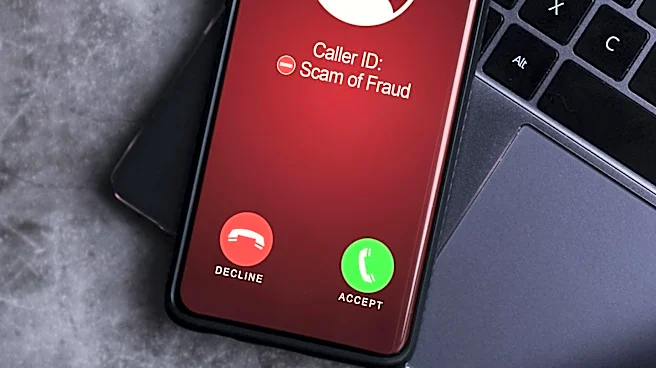
Miller followed instructions to purchase the phones, each costing about $1,200, and was then told to ship them back for activation, with the promise of replacements. The scam involved caller ID spoofing, making the calls appear legitimate. After realizing he had been scammed when the replacement phones never arrived, Miller contacted AT&T's fraud department, UPS, and police, but was initially told he was responsible for the charges. CBS Philadelphia's 'In Your Corner' team intervened, leading to AT&T resolving the issue to Miller's satisfaction and waiving the $5,128 bill.
Why It's Important?
This incident highlights the pervasive and sophisticated nature of impersonation scams, which are among the most commonly reported fraud schemes in the United States, resulting in billions of dollars in losses annually. The use of caller ID spoofing makes these scams particularly deceptive, as victims believe they are interacting with legitimate companies. For consumers, this case underscores the critical need for vigilance against unsolicited offers and the importance of verifying such requests directly with companies through official channels. For telecommunications companies like AT&T, it emphasizes the ongoing challenge of protecting customers from fraud and the need for robust security measures and responsive customer support when scams occur. The resolution, facilitated by media intervention, also points to the role of consumer advocacy in addressing such issues.
What's Next?
AT&T has stated that it takes account security seriously and has advised customers to be wary of unsolicited calls or messages involving free device upgrades, requests for account passcodes, changes to account information, unexpected purchases, or requests to ship devices. Consumers are encouraged to hang up on suspicious calls and contact companies directly using official phone numbers. This incident will likely contribute to ongoing efforts by consumer protection agencies and telecommunications providers to educate the public about scam prevention. It also serves as a reminder for individuals to exercise caution and critical thinking when faced with offers that seem 'too good to be true,' especially when pressured to act quickly or provide sensitive information.
Beyond the Headlines
The emotional and financial distress experienced by victims like David Miller extends beyond the immediate monetary loss. The feeling of betrayal and the time spent trying to resolve the issue can be significant. This scam also touches upon the broader issue of trust in digital communications, as scammers exploit technological vulnerabilities like caller ID spoofing to mimic legitimate entities. The reliance on media intervention to resolve the issue for Miller suggests potential gaps in standard customer service protocols for handling complex fraud cases, raising questions about how companies can proactively support victims without external pressure. This case serves as a stark reminder that while technology offers convenience, it also creates new avenues for malicious actors to exploit unsuspecting individuals.