




What's Happening?
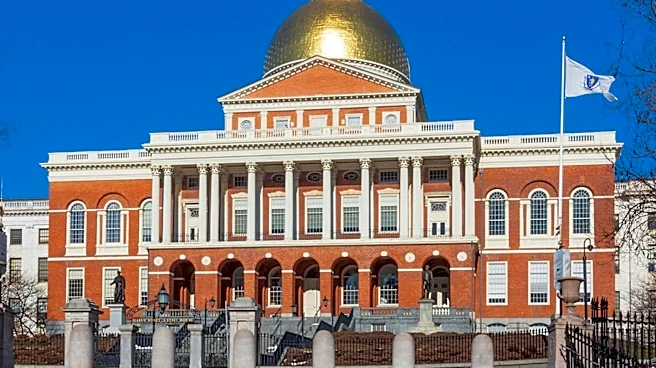
The Massachusetts Governor's office has released new guidance for schools and childcare centers regarding interactions with immigration enforcement, specifically under the state's recent immigrant protection law, known as the PROTECT Act. This guidance,
issued on Tuesday, aims to provide clear steps for institutions to follow if Immigration and Customs Enforcement (ICE) agents arrive on-site or request access to a student, child, or their information. The PROTECT Act, signed by Governor Maura Healey on August 5, expands protections against warrantless civil immigration arrests to public schools, childcare centers, courthouses, and healthcare facilities. It mandates that schools and state-funded or licensed childcare programs adopt policies governing interactions with civil law enforcement by September 1 or the first day of the 2026-2027 school year. The Department of Elementary and Secondary Education has provided model policies for school districts, charter schools, and educational collaboratives. Additionally, the Department of Early Education and Care, in partnership with the Massachusetts Office for Refugees and Immigrants, is offering 'Know Your Rights' training for the early education and care sector, covering immigrant and refugee rights, legal resources, and interactions with law enforcement.
Why It's Important?
This guidance is crucial for ensuring that educational and childcare environments remain safe spaces for all children, particularly those from immigrant families. By establishing clear protocols, Massachusetts aims to alleviate fear within immigrant communities, which has previously led to reduced school attendance and a breakdown of trust between residents and institutions. The PROTECT Act and its accompanying guidance underscore a state-level commitment to protecting the privacy and well-being of immigrant children and their families, potentially setting a precedent for other states considering similar measures. The 'Know Your Rights' training empowers educators and providers to navigate complex situations involving immigration enforcement, ensuring that legal and ethical considerations are upheld. This initiative reflects a broader societal discussion about the role of local institutions in safeguarding vulnerable populations against federal enforcement actions, highlighting the tension between state and federal jurisdictions on immigration matters.
What's Next?
Schools and childcare programs across Massachusetts are now tasked with implementing the new policies and procedures by the September 1 deadline or the start of the 2026-2027 school year. The 'Know Your Rights' training will continue to be rolled out to the early education and care sector, aiming to equip staff with the necessary knowledge and resources. The effectiveness of these new guidelines will likely be monitored, with potential adjustments based on practical application and feedback from schools, families, and community organizations. The state's proactive stance may also influence legislative discussions at both state and federal levels regarding immigrant protections and the scope of immigration enforcement in sensitive locations. Continued engagement with legal counsel and community advocates will be essential to ensure the policies are applied consistently and effectively, protecting individual privacy while maintaining safe learning environments.
Beyond the Headlines
The implementation of the PROTECT Act and its guidance touches upon deeper ethical and social considerations regarding the integration and protection of immigrant communities within the U.S. educational system. It highlights the concept of 'sanctuary' policies at a state level, aiming to create environments where individuals can access essential services without fear of immigration-related repercussions. This move could foster greater trust between immigrant families and public institutions, potentially leading to improved educational outcomes and community engagement. However, it also raises questions about the potential for conflict with federal immigration policies and the legal boundaries of state authority in such matters. The initiative underscores the importance of cultural competency and sensitivity within educational settings, recognizing the diverse backgrounds of students and families. Ultimately, this development contributes to the ongoing national dialogue about immigration reform, human rights, and the balance of power between different levels of government.