








What's Happening?
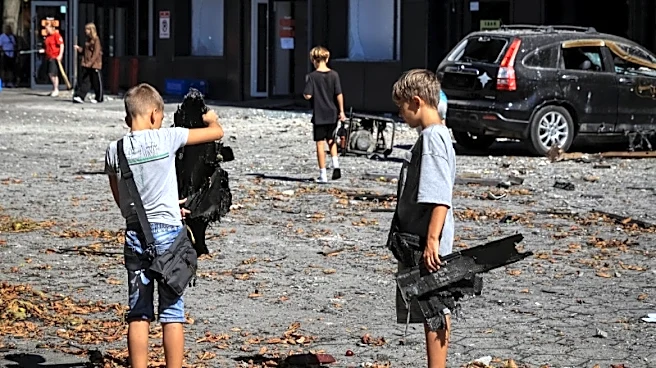
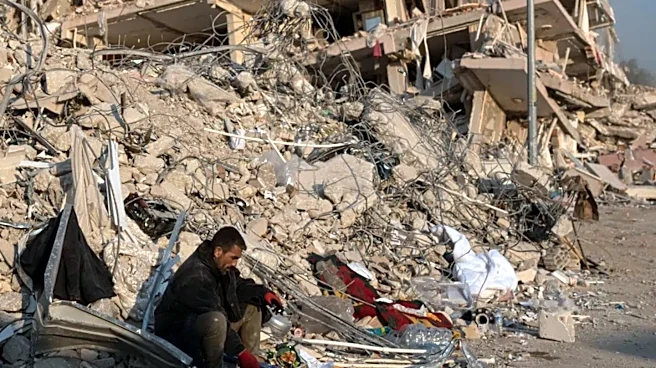
Twenty-eight people were injured in recent attacks by the Russian military on the Odesa region in southern Ukraine. The strikes targeted a residential building, among other locations, resulting in the destruction of several upper floors of the structure.
This incident is part of ongoing military actions in the region, contributing to civilian casualties and damage to urban infrastructure. The attacks highlight the continued conflict and its impact on populated areas within Ukraine, leading to significant humanitarian concerns and property destruction. The scale of the injuries and the nature of the target underscore the severity of the situation in Odesa.
Why It's Important?
The Russian military's strike on Odesa, causing numerous injuries and damaging a residential building, underscores the persistent humanitarian crisis and the devastating impact of the conflict on civilian populations in Ukraine. Such actions contribute to the displacement of residents, strain local emergency services, and exacerbate the need for international aid. For the U.S. and its allies, these events reinforce the urgency of continued support for Ukraine, both in terms of defensive capabilities and humanitarian assistance. The targeting of civilian infrastructure also raises questions about adherence to international humanitarian law, potentially influencing diplomatic efforts and sanctions against Russia. The ongoing violence in urban centers like Odesa can destabilize regional security and have broader implications for global energy and food markets, given Ukraine's role in these sectors.
What's Next?
Following the attack, emergency services in Odesa will likely continue rescue and recovery operations, providing medical attention to the injured and assessing the full extent of the damage. International organizations and humanitarian groups are expected to intensify their efforts to provide aid and support to the affected population. Diplomatically, the incident may lead to further condemnation from the U.S. and its allies, potentially resulting in discussions about additional sanctions or increased military assistance to Ukraine. The Ukrainian government will likely use this event to rally international support and highlight the ongoing aggression. The long-term consequences will involve rebuilding efforts and addressing the psychological trauma inflicted on the residents of Odesa, while the conflict itself shows no immediate signs of de-escalation.
Beyond the Headlines
The repeated targeting of urban centers like Odesa carries deeper implications beyond immediate casualties and structural damage. It represents a deliberate strategy to undermine civilian morale and exert pressure on the Ukrainian government, potentially leading to a protracted conflict with severe long-term societal costs. The destruction of residential areas forces mass displacement, creating internal refugees and placing immense strain on social services and infrastructure in safer regions. Ethically, these attacks raise profound questions about the protection of non-combatants in modern warfare and the accountability of those responsible for such actions. Culturally, the damage to historic cities like Odesa, a significant port city with a rich heritage, represents an irreparable loss that extends beyond its immediate strategic value, impacting national identity and global cultural patrimony. The psychological scars on the population, particularly children, will endure for generations, necessitating extensive mental health support and community rebuilding initiatives.