









What's Happening?
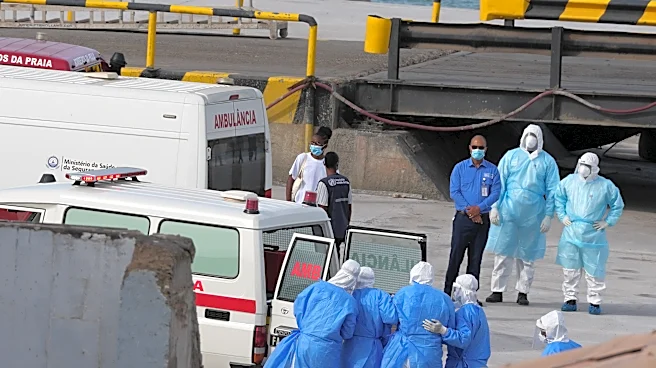
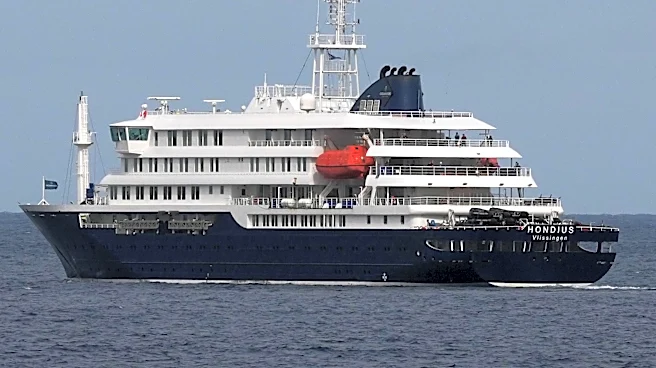
Passengers from a cruise ship involved in a deadly hantavirus outbreak have been flown back to their home countries. The ship is currently docked off Spain's Canary Islands. Health officials are actively working to alleviate public fears and are committed
to closely monitoring any signs of the disease among those who were on board. The outbreak has raised significant health concerns, prompting swift action to ensure the safety and well-being of the passengers and crew. The situation is being closely watched by international health authorities as they assess the potential spread and impact of the virus.
Why It's Important?
The repatriation of passengers from the cruise ship highlights the global health challenges posed by infectious disease outbreaks. Hantavirus, while less common than other viral infections, can be deadly and requires immediate containment measures to prevent widespread transmission. The incident underscores the importance of international cooperation in managing public health crises, as well as the need for robust monitoring systems to detect and respond to emerging health threats. The response to this outbreak will be critical in preventing further cases and ensuring that similar situations are handled effectively in the future.
What's Next?
Health officials will continue to monitor the repatriated passengers for any signs of illness. There may be increased scrutiny and health checks for travelers from affected regions to prevent further spread. The incident could lead to a review of health protocols on cruise ships and other forms of international travel. Authorities may also consider implementing stricter quarantine measures and health screenings to mitigate the risk of future outbreaks. Ongoing communication between international health organizations will be essential in managing the situation and preventing similar occurrences.