






What's Happening?
Dr. Seth Bires, an interventional spine expert at Summit Orthopedics, advises that a combination of stretching and strengthening exercises is crucial for improving mobility and stabilizing the spine, particularly for individuals experiencing back pain.
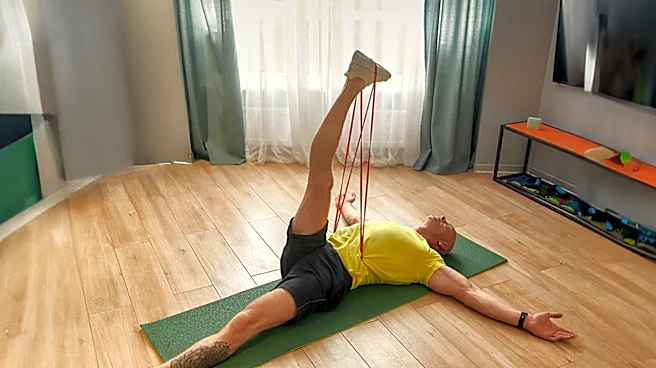
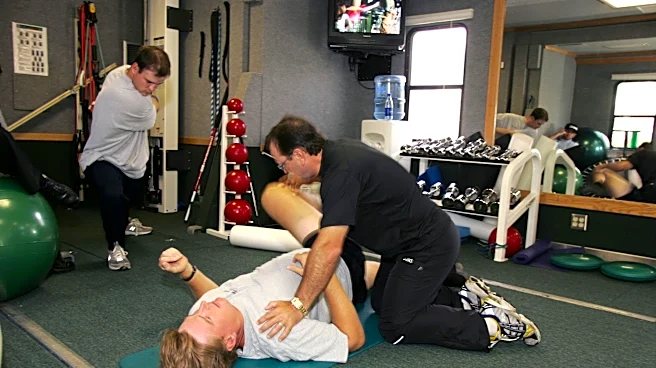
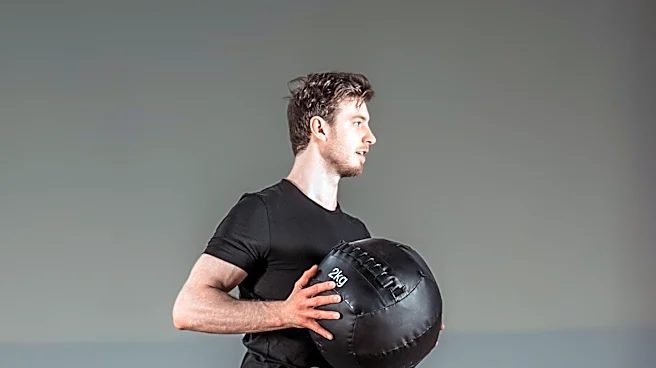
According to Dr. Bires, back stiffness often results from the body's protective response to irritated underlying spinal structures, which can lead to increased pain and tightness in overlying muscles. Stretching helps by improving blood flow and easing muscle tension around an irritated spine. He recommends dynamic warm-ups before activity and saving static stretching for after muscles are warmed up. Strengthening, especially core and trunk stabilization exercises, along with leg strengthening, is consistently helpful for the lower back as it protects and unloads spinal discs and joints.
Why It's Important?
This guidance from Summit Orthopedics is important because it addresses a common health issue—back pain—with a balanced and evidence-based approach. Many individuals may focus solely on stretching or strengthening, but Dr. Bires's recommendation highlights the synergistic benefits of combining both. This integrated strategy can lead to more effective and sustainable relief from back pain, improving overall spinal health and mobility. By emphasizing the protection of discs and joints through stronger support muscles, the advice can help prevent further injury and reduce chronic pain. This approach also empowers individuals to take an active role in managing their back health, potentially reducing reliance on more invasive treatments.
What's Next?
Individuals experiencing severe, persistent, or recurring back pain, or pain accompanied by numbness, tingling, or weakness in the legs, are advised to consult their healthcare provider. Dr. Bires stresses the importance of checking with a provider before starting any new stretching or strengthening routine to ensure it aligns with the underlying cause of the pain. This suggests a continued emphasis on personalized care and professional guidance in managing back health. Physical therapists and physicians will likely play a key role in developing tailored exercise plans that incorporate both stretching and strengthening to address specific patient needs and conditions.
Beyond the Headlines
The advice from Summit Orthopedics underscores a broader shift in healthcare towards preventive and rehabilitative strategies that prioritize functional movement and long-term well-being. It challenges the notion that back pain is solely a structural problem requiring passive treatments, instead promoting an active role for patients in their recovery. This perspective can lead to a more holistic understanding of musculoskeletal health, where lifestyle factors like sedentary habits and muscle imbalances are recognized as significant contributors to pain. The integration of stretching and strengthening into daily routines, guided by medical professionals, could become a standard recommendation for maintaining spinal health and preventing chronic back issues, fostering a more proactive approach to physical health.