





What's Happening?
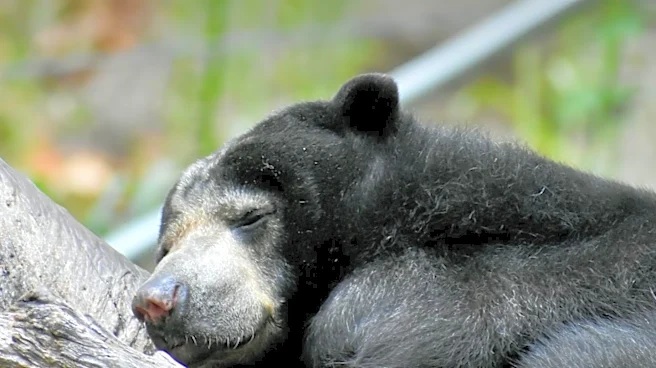
Anchorage is experiencing a significant increase in bear killings by the Alaska Department of Fish and Game, with 20 bears, both brown and black, euthanized this year due to becoming public safety threats. This number surpasses the combined total of the previous
two years. Nearly all these incidents, 19 out of 20, are attributed to bears being drawn into residential areas by unsecured attractants, primarily improperly stored garbage and chickens not kept in electrified enclosures. Wildlife officials and trash haulers are urging residents to adhere to trash handling guidelines and utilize bear-resistant containers. The issue is exacerbated by a potentially poorer berry crop this year, driving more bears into urban environments in search of food. While some areas of Anchorage have 'Secure Trash Regulation Zones' requiring bear-resistant containers, the demand for these specialized bins currently outstrips supply from private haulers.
Why It's Important?
The surge in bear-related deaths in Anchorage highlights a critical intersection of urban development and wildlife management. The problem underscores the direct impact of human behavior on local ecosystems and animal populations. For residents, the presence of bears poses significant public safety concerns, leading to the tragic necessity of euthanizing animals that become habituated to human food sources. Economically, the cost of bear-resistant containers, though a few extra dollars per billing cycle, represents an additional expense for households. The inability of trash haulers to meet the demand for these containers indicates a systemic challenge in implementing effective mitigation strategies. This situation also reflects a broader societal challenge in balancing human expansion with wildlife preservation, particularly in regions where urban and wild areas closely overlap.
What's Next?
Anchorage officials, including the municipality, Fish and Game, and trash hauling companies, are coordinating through a long-standing committee to address the challenges of bears and unsecured trash. Public outreach efforts are expected to continue, emphasizing responsible waste management. The municipality is also exploring ways to increase the availability of bear-resistant trash containers, potentially through increased supply from haulers or community-led initiatives to expand 'Secure Trash Regulation Zones.' Residents in areas like Rabbit Creek, where bear activity is a constant problem, may see increased enforcement of existing trash laws. The administration is also likely to continue monitoring the effectiveness of current regulations and considering further measures to protect both residents and wildlife, especially given the potential for continued bear incursions due to natural food scarcity.
Beyond the Headlines
Beyond the immediate issue of bear encounters, this situation in Anchorage points to deeper ethical and environmental considerations. The repeated killing of bears due to human-provided food sources raises questions about human responsibility in coexisting with wildlife. It highlights the concept of 'nuisance wildlife' and the difficult decisions faced by wildlife management agencies when animals become a threat to human safety. The reliance on lethal measures, while sometimes deemed necessary, underscores a failure in preventative human practices. This scenario could also prompt discussions about urban planning and development, particularly how to design communities in wildland-urban interface zones to minimize conflicts with native species. The long-term shift in bear behavior, driven by readily available human food, could lead to a more permanent alteration of their natural foraging patterns, creating an ongoing cycle of conflict.