
What's Happening?
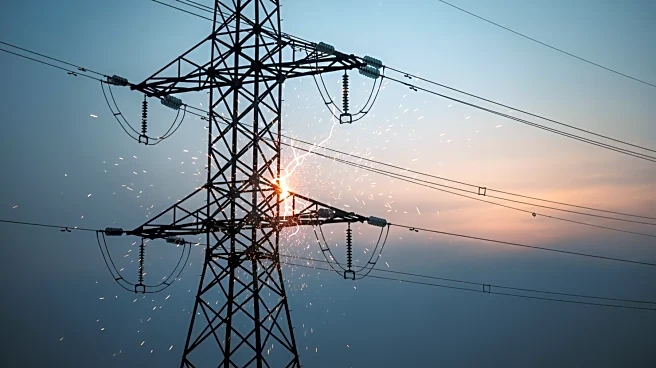
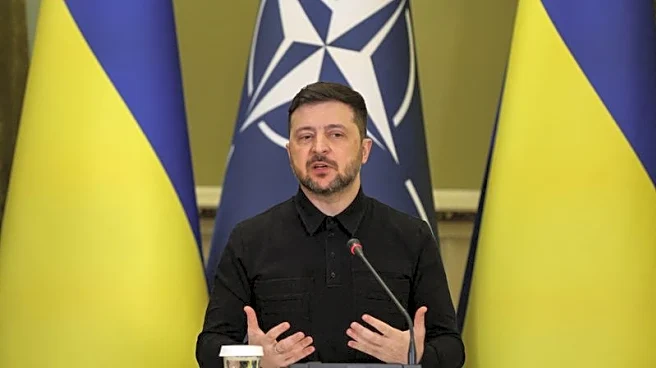
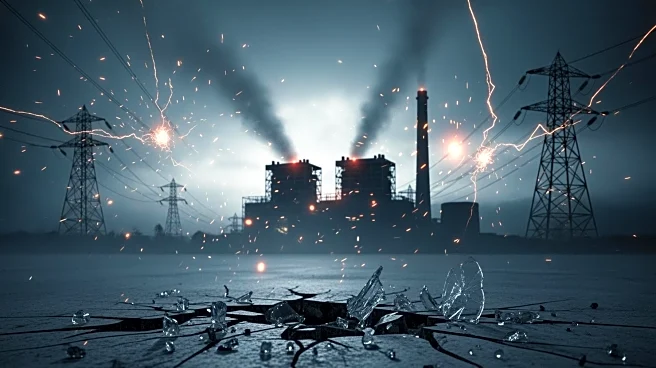
Ukraine is experiencing a severe energy crisis as Russian attacks continue to target the country's energy and heating infrastructure. President Volodymyr Zelensky has declared a state of emergency in the energy sector
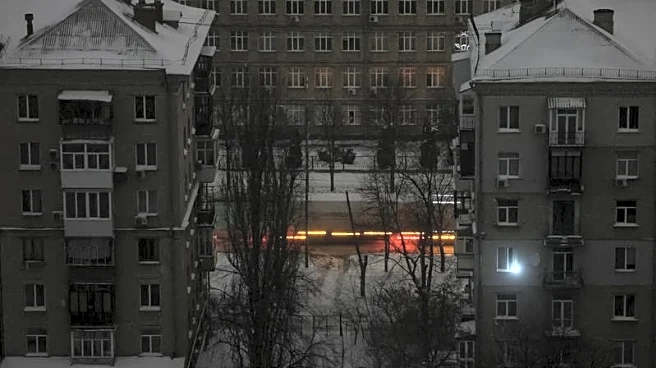
as millions of Ukrainians face the harsh winter months without adequate heating or electricity. The situation is particularly dire in Kyiv, where temperatures have plummeted to -18°C (-4°F), and many residents are struggling to keep warm. The attacks have led to extensive blackouts, affecting both residential areas and essential services like supermarkets, which have been forced to close due to equipment failures and power outages. The ongoing strikes have also disrupted public transportation, with trams and trolleybuses being replaced by buses due to the lack of electricity.
Why It's Important?
The energy crisis in Ukraine has significant implications for the country's resilience and stability during the ongoing conflict with Russia. The attacks on energy infrastructure are not only a humanitarian issue, affecting millions of civilians, but also a strategic move by Russia to weaken Ukraine's resolve and infrastructure. The crisis could lead to increased internal displacement as people seek areas with more reliable energy supplies. Additionally, the strain on Ukraine's energy sector could have broader economic impacts, affecting industries reliant on stable power and heating. The international community may need to step up support to help Ukraine manage this crisis, both in terms of humanitarian aid and diplomatic pressure on Russia to cease its attacks.
What's Next?
As the energy crisis deepens, Ukraine will likely continue to seek international assistance to bolster its energy infrastructure and provide relief to affected citizens. The government may implement further emergency measures to manage the situation, such as deploying mobile power plants and enhancing backup power systems. The international community, including the European Union and the United States, may increase their support for Ukraine, both in terms of humanitarian aid and diplomatic efforts to pressure Russia. The situation also raises questions about the long-term sustainability of Ukraine's energy infrastructure and the need for strategic investments to enhance its resilience against future attacks.
Beyond the Headlines
The ongoing energy crisis in Ukraine highlights the broader geopolitical tensions between Russia and the West. Russia's strategy of targeting civilian infrastructure is a violation of international humanitarian law and could be classified as a war crime. The crisis also underscores the importance of energy security and the need for countries to diversify their energy sources to reduce vulnerability to such attacks. Additionally, the situation in Ukraine serves as a stark reminder of the human cost of geopolitical conflicts, with ordinary citizens bearing the brunt of strategic military decisions.