








What's Happening?
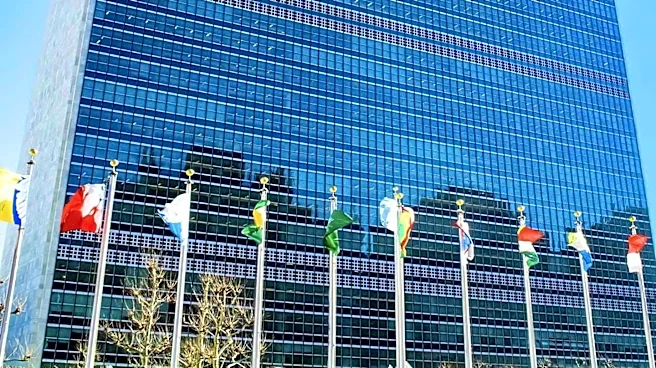
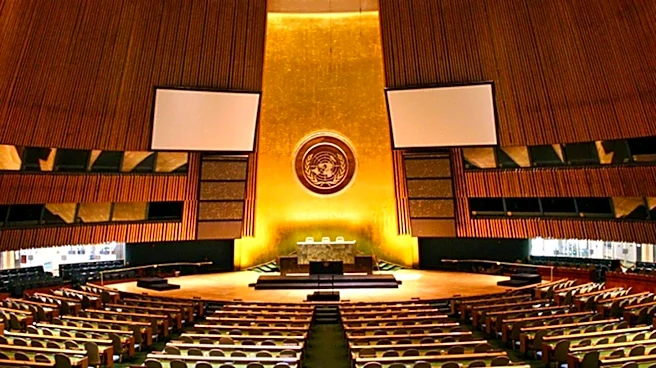
At the United Nations General Assembly, Pakistan's delegation, led by Minister Counsellor Syed Atif Raza, called for the removal of barriers to civilian nuclear energy access for all countries. Pakistan emphasized the importance of equal and non-discriminatory
access to nuclear technology for peaceful uses and urged for the resolution of safeguards disagreements through diplomatic channels, opposing the politicization of nuclear non-proliferation issues. Raza highlighted the International Atomic Energy Agency's (IAEA) role in promoting peaceful nuclear energy uses while strictly supervising non-proliferation. He noted that unilateral restrictions on civilian nuclear cooperation hinder developing nations' technological advancement and economic modernization. Pakistan, a founding member of the IAEA since 1957, showcased its cooperation achievements in nuclear engineering training, technical capacity building, safety, healthcare, water resource management, and agricultural applications. The country currently operates six commercial nuclear reactors under IAEA safeguards, contributing approximately 20% of its national electricity supply and one-third of its low-carbon electricity.
Why It's Important?
This initiative by Pakistan underscores a significant global debate regarding nuclear energy's role in sustainable development and energy security, particularly for developing nations. The call to depoliticize nuclear safeguards disputes and ensure equitable access to technology could influence international nuclear policy and cooperation frameworks. For the U.S., this perspective is important as it navigates its non-proliferation goals with the energy needs of allied and developing countries. The U.S. has historically played a key role in shaping nuclear non-proliferation treaties and technology transfer policies. A shift towards more inclusive access, as advocated by Pakistan, could necessitate a re-evaluation of existing export controls and bilateral agreements, potentially impacting U.S. nuclear industry partnerships and strategic alliances. The IAEA's assessment of a projected tripling of global nuclear power capacity by 2060 further highlights the growing importance of nuclear energy as a core pillar of national energy security, especially with increasing global electrification and demand from high-tech sectors like AI.
What's Next?
The discussions at the UN General Assembly will likely continue to shape international dialogue on nuclear energy policy. The IAEA Director General Rafael Grossi's comprehensive briefing on global nuclear energy development and non-proliferation situations indicates ongoing efforts to balance energy needs with security concerns. Future actions may involve further diplomatic efforts to address nuclear issues, such as the Iranian nuclear program and North Korea's activities, as well as continued monitoring of nuclear safety, particularly at facilities like the Zaporizhzhia Nuclear Power Plant. The emphasis on resolving compliance disagreements within the IAEA's technical framework suggests a push for expert-led solutions over political rhetoric. This could lead to new international agreements or modifications to existing ones, potentially influencing how nuclear technology is shared and regulated globally. Stakeholders, including nuclear energy providers, non-proliferation advocates, and national governments, will closely watch these developments for their implications on energy policy, security, and economic growth.
Beyond the Headlines
Beyond the immediate policy implications, Pakistan's stance highlights a broader ethical and developmental dimension of nuclear technology. The argument that restrictions on civilian nuclear cooperation act as 'engineering shackles' on developing countries raises questions about technological equity and the right to sustainable development. This perspective challenges the traditional power dynamics in nuclear technology transfer, advocating for a more inclusive approach that recognizes the energy demands and developmental aspirations of all nations. It also touches upon the long-term shift towards nuclear energy as a critical component of a low-carbon future, especially in the context of climate change and the increasing energy demands from advanced technologies like AI. The call for depoliticization of technical issues could foster greater trust and collaboration in the international nuclear community, potentially leading to more robust and universally accepted safeguards and non-proliferation regimes. This could ultimately contribute to a more stable global energy landscape and reduce geopolitical tensions related to nuclear capabilities.