






What's Happening?
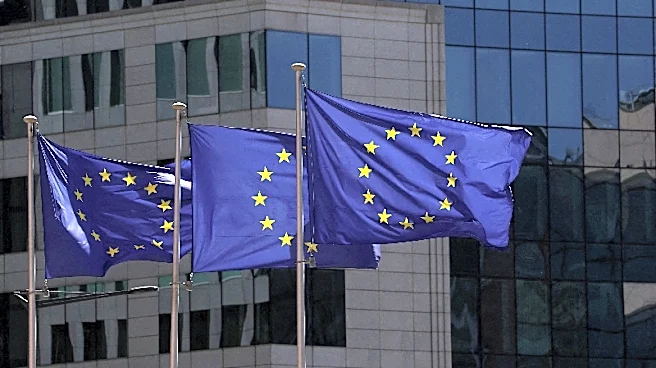
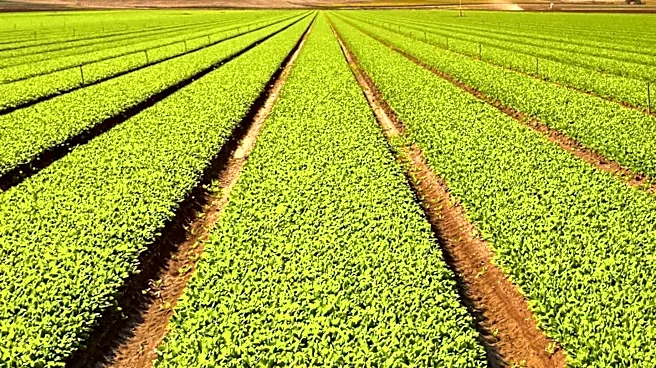
EIB Global, the development arm of the European Investment Bank Group, is providing €7.5 million to Centenary Bank Malawi. This financing aims to strengthen lending to smallholder farmers and micro agri-food enterprises in Malawi. A significant portion
of this funding is strategically allocated: 50% is earmarked to promote sustainable, climate-resilient agriculture, and the other 50% is dedicated to advancing the economic empowerment of women in the country. This initiative is part of the European Union’s Global Gateway strategy, which seeks to create new financing opportunities for Malawi’s agricultural sector. The goal is to address rural poverty in Malawi, where agriculture accounts for over 70% of employment, and where small-scale farmers and agri-businesses often face limited access to finance. Additionally, women entrepreneurs, who are central to the agricultural value chains, encounter persistent gender-specific barriers to financial access. The EIB Global loan is complemented by a comprehensive technical assistance program designed to enhance Centenary Bank’s capacity to scale up agricultural lending and reach underserved clients, encouraging the adoption of climate-resilient farming practices.
Why It's Important?
This financing is crucial for Malawi's economic development and poverty reduction efforts, particularly in rural areas where agriculture is the primary source of livelihood. By targeting smallholder farmers and micro agri-food enterprises, the initiative directly supports the backbone of the Malawian economy, fostering growth and stability. The dual focus on sustainable agriculture and women's economic empowerment addresses critical development challenges. Promoting climate-resilient agriculture is vital for a country highly vulnerable to climate change impacts, ensuring food security and long-term sustainability. Empowering women entrepreneurs in agriculture can lead to significant socio-economic benefits, including increased household income, improved nutrition, and broader community development. This partnership also strengthens economic links between Malawi and Europe by enhancing the resilience of local value chains and supporting the EU's 'Women for Stronger Communities and Growth' initiative. The combination of financial support and technical assistance aims to build local banking capacity and ensure the effective deployment of funds, maximizing the impact on the ground.
What's Next?
Centenary Bank Malawi will begin channeling the €7.5 million in financing to smallholder farmers and micro agri-food enterprises, with a specific focus on sustainable agriculture and women-led businesses. The accompanying technical assistance program will work to strengthen Centenary Bank's capabilities in agricultural lending and its outreach to underserved clients, promoting the adoption of climate-resilient practices. This will involve training and capacity building for both the bank and the beneficiaries. The success of this program will be measured by its ability to reduce rural poverty, increase access to finance for marginalized groups, and foster sustainable agricultural practices. The initiative is expected to reinforce economic ties between Malawi and Europe, potentially leading to further collaborations under the EU's Global Gateway strategy. Ongoing monitoring and evaluation will be essential to ensure the funds are effectively utilized and achieve their intended developmental impacts, potentially serving as a model for similar initiatives in other developing countries.
Beyond the Headlines
This EIB Global initiative goes beyond mere financial aid; it represents a strategic investment in human capital and environmental resilience within Malawi. By specifically earmarking funds for women's economic empowerment, the program acknowledges and actively seeks to dismantle systemic gender barriers that often impede agricultural productivity and economic growth in developing nations. This targeted approach recognizes that empowering women has a multiplier effect, benefiting families and communities. Furthermore, the emphasis on climate-resilient agriculture is not just about adapting to current climate challenges but also about building a more sustainable and secure future for Malawi's agricultural sector. It encourages a shift towards practices that can withstand environmental shocks, ensuring long-term food security and economic stability. This holistic approach, combining financial inclusion, gender equality, and climate action, exemplifies a comprehensive development strategy that could have profound and lasting impacts on Malawi's socio-economic landscape, fostering self-sufficiency and reducing dependency on external aid in the long run.