



What's Happening?
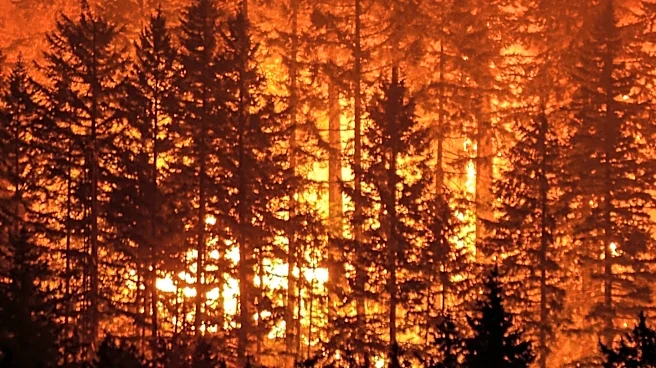
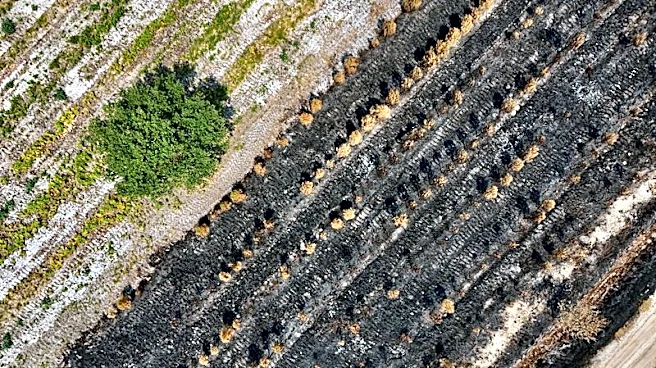
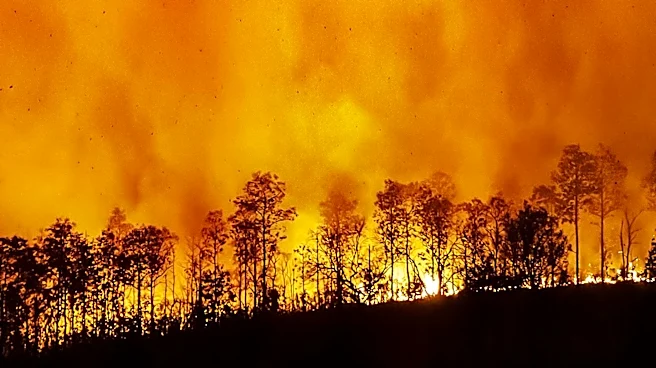
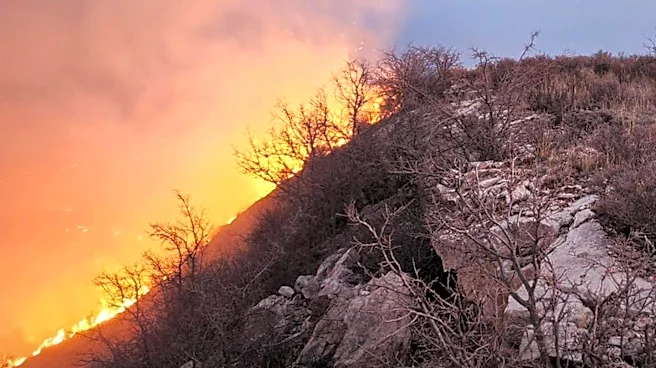
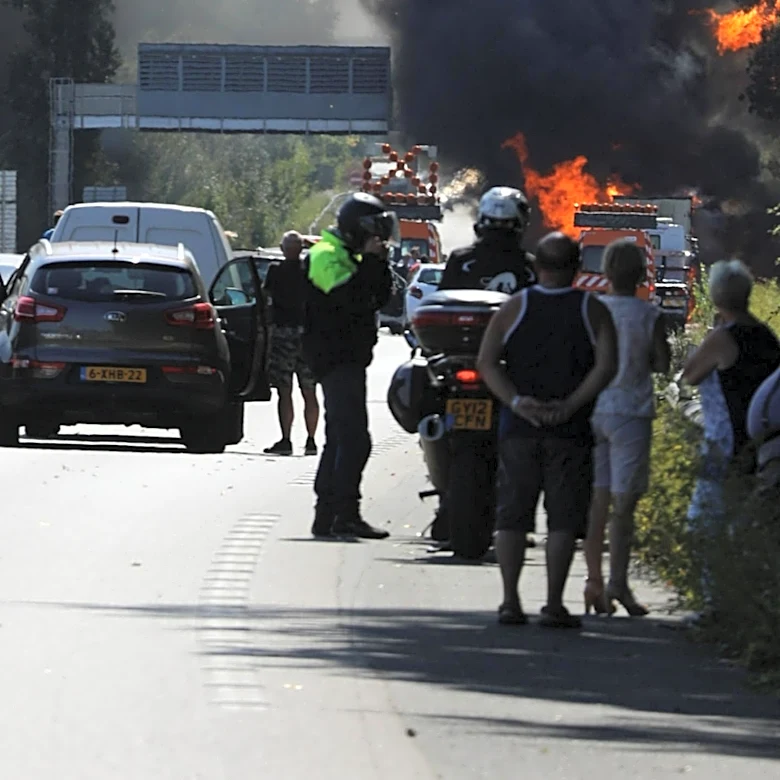
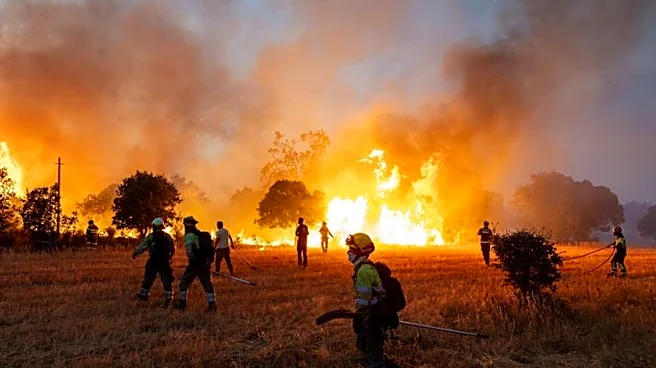
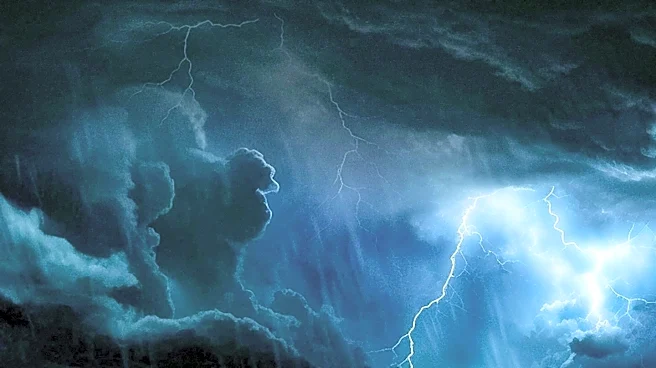
Europe is experiencing unprecedented wildfires, with blazes in southwestern France burning with such intensity that they have created fire-generated thunderstorms, a phenomenon more commonly seen in the US and Canada. These fires are part of a broader
trend of increasingly extreme wildfires across the continent, driven by the ongoing climate crisis. Firefighters in France and Spain are battling fires that are more ferocious and erratic than ever before, with some wildfires having been stabilized but concerns remaining due to the ongoing heat wave. The European Union has warned of potential fires in Greece and Italy, following a record-breaking fire season last year.
Why It's Important?
The intensifying wildfires in Europe highlight the growing impact of climate change on the continent. These fires pose significant risks to human life, property, and the environment, and they underscore the urgent need for effective climate action and adaptation strategies. The economic impact is also substantial, as fires threaten major cities, tourist areas, and agricultural regions. The situation calls for increased international cooperation and resource sharing to manage and mitigate the effects of such disasters. The fires also serve as a stark reminder of the global nature of climate challenges and the need for comprehensive solutions.
What's Next?
As Europe continues to grapple with these fires, there will likely be increased pressure on governments to implement more robust climate policies and invest in firefighting resources and infrastructure. The ongoing situation may also lead to a reevaluation of land management practices and urban planning to better prepare for future fire seasons. Additionally, the international community may need to enhance collaboration on climate change mitigation and adaptation efforts to prevent similar crises in the future. The response to these fires will be closely watched as a test of Europe's resilience and commitment to addressing climate change.