






What's Happening?
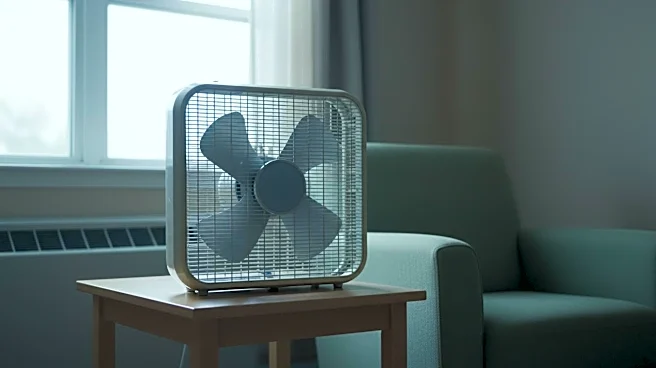
Residents of a subsidized senior housing complex in Pittsburgh are facing a dangerous heat wave without air conditioning, according to CBS News. The building, which houses elderly residents, has been without functioning air conditioning during one of the
hottest weeks of the year. This situation poses significant health risks to the residents, who are particularly vulnerable to extreme heat. The lack of air conditioning in the building has raised concerns about the well-being and safety of the residents, prompting calls for immediate action to address the issue. The situation highlights the challenges faced by low-income and elderly populations during extreme weather conditions.
Why It's Important?
The absence of air conditioning in the Pittsburgh senior housing complex during a heat wave underscores the broader issue of inadequate infrastructure and support for vulnerable populations. Elderly residents are at a higher risk of heat-related illnesses, and the lack of cooling facilities can lead to severe health consequences. This situation highlights the need for improved housing standards and emergency preparedness measures to protect at-risk communities during extreme weather events. The incident also raises questions about the responsibilities of housing authorities and government agencies in ensuring the safety and well-being of residents in subsidized housing. Addressing these issues is crucial to prevent similar situations in the future and to safeguard the health of vulnerable populations.
What's Next?
In response to the situation, there may be increased pressure on local authorities and housing management to restore air conditioning in the building and implement measures to prevent future occurrences. Advocacy groups and community organizations might also become involved, pushing for policy changes and increased funding for infrastructure improvements in subsidized housing. Additionally, this incident could lead to broader discussions about the need for comprehensive emergency response plans for extreme weather events, particularly for vulnerable populations. Ensuring that all residents have access to safe and comfortable living conditions during heat waves and other extreme weather events will likely become a priority for policymakers and housing authorities.