

What's Happening?
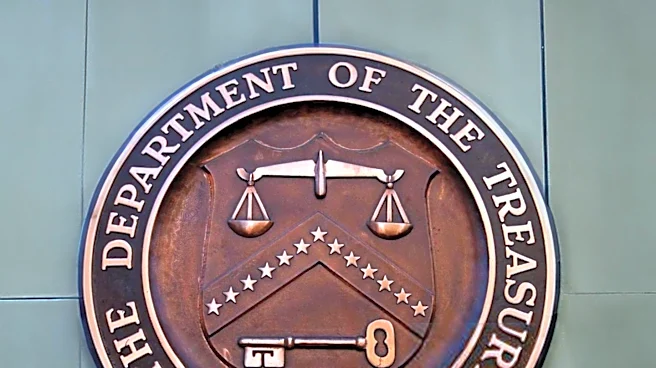
The U.S. Department of the Treasury's Office of Foreign Assets Control (OFAC) has designated an alleged network of fraudulent maritime flagging and registration companies. This network, reportedly operated by Indian nationals Suniel Kumar Sharma and Jaspreet
Preeti Shahid for over a decade, facilitated Iranian oil exports by providing false flags and certifications to sanctioned vessels. These vessels were involved in transporting Iranian petroleum, including for Iran's military and its proxies. The network allegedly offered flagging services for various jurisdictions, often without legal authorization, including Guyana, Aruba, and Eswatini. OFAC also sanctioned Türkiye-based Fugo Ground Services Inc. for its activities in Iran’s aviation sector, providing services to U.S.-sanctioned carriers. Concurrently, OFAC issued an alert warning commercial actors about the Iranian 'shadow fleet's' use of false flags, urging enhanced due diligence on vessels with suspicious flag registries or a history of 'flag hopping.'
Why It's Important?
This action signifies an increased willingness by the U.S. to target a broader range of facilitators involved in sanctions evasion, moving beyond individual ships and chartering services. By disrupting fraudulent maritime flagging operations, the U.S. aims to tighten the economic pressure on Iran and its ability to export oil, which funds its military and proxy activities. The use of false flags allows sanctioned vessels to operate with less scrutiny and without valid insurance, posing risks to maritime safety and international commerce. The sanctions against Fugo Ground Services Inc. further aim to isolate Iran's aviation sector. This strategy could impact other maritime service providers globally, such as crew staffing agencies and insurers, if they are found to knowingly support sanctioned vessels, thereby increasing compliance burdens across the maritime industry.
What's Next?
The U.S. is expected to continue collaborating with international partners and multilateral maritime regulators, such as the UN's International Maritime Organization, to issue public alerts regarding fraudulent flagging services. Diplomatic pressure will likely be applied to convince countries to dissolve flag registries exploited by sanctions-evading vessels. Commercial actors, particularly insurers, trade-finance providers, and other maritime service providers, will face increased scrutiny and are encouraged to enhance their due diligence processes to identify and avoid vessels using suspicious or falsely claimed flags. Future U.S. sanctions may target other elements of the 'shadow fleet' infrastructure, potentially including those involved in crew staffing, insurance, and broader maritime logistics that support sanctioned entities.
Beyond the Headlines
The exposure of this fraudulent maritime network highlights significant compliance gaps within the global shipping industry that have been exploited by illicit actors for years. The alleged involvement of informal arrangements with local government officials and subsequent cancellations by national governments points to vulnerabilities in international maritime governance and oversight. The network's certification of unseaworthy ships and those engaged in criminal activities, such as smuggling ammunition, underscores broader risks to global security and environmental safety. This development could prompt a re-evaluation of how flag registries are managed and regulated internationally, potentially leading to more stringent requirements and greater international cooperation to prevent such abuses in the future. The long-term implication is a push towards greater transparency and accountability in maritime operations to counter illicit trade and sanctions evasion.