






What's Happening?
U.S. special operations leaders have expressed frustration over proprietary agreements that prevent them from making quick upgrades to military equipment, particularly unmanned systems. Lt. Gen. Lawrence Ferguson, chief of U.S. Army Special Operations
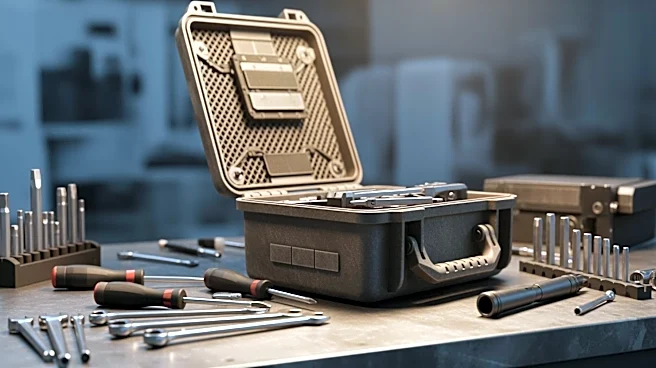
Command, highlighted the issue during a Senate Subcommittee on Emerging Threats and Capabilities hearing. The inability to modify equipment quickly hampers the military's ability to adapt to evolving threats. The leaders are advocating for the right to repair, which would allow operators to make necessary modifications without relying on manufacturers.
Why It's Important?
The right to repair is a critical issue for the U.S. military, as it impacts operational readiness and the ability to respond to emerging threats. The current restrictions hinder the military's capacity to innovate and adapt, potentially putting U.S. forces at a disadvantage. Allowing special operations forces to modify their equipment could enhance their effectiveness and agility in combat situations. This issue also reflects broader debates about the right to repair in civilian sectors, highlighting the tension between proprietary control and user autonomy.
What's Next?
The push for right-to-repair provisions may lead to legislative changes or new policies that grant the military greater flexibility in equipment modification. The outcome of these efforts could influence future procurement practices and the relationship between the military and defense contractors. The special operations community may continue to advocate for changes that enhance their operational capabilities and address the challenges posed by proprietary agreements.
Beyond the Headlines
The right to repair debate raises important questions about the balance between innovation, security, and control in military and civilian contexts. The ability to modify equipment quickly is crucial for maintaining a technological edge and ensuring mission success. This issue also highlights the need for collaboration between the military and industry to develop solutions that meet operational requirements while respecting proprietary interests.